


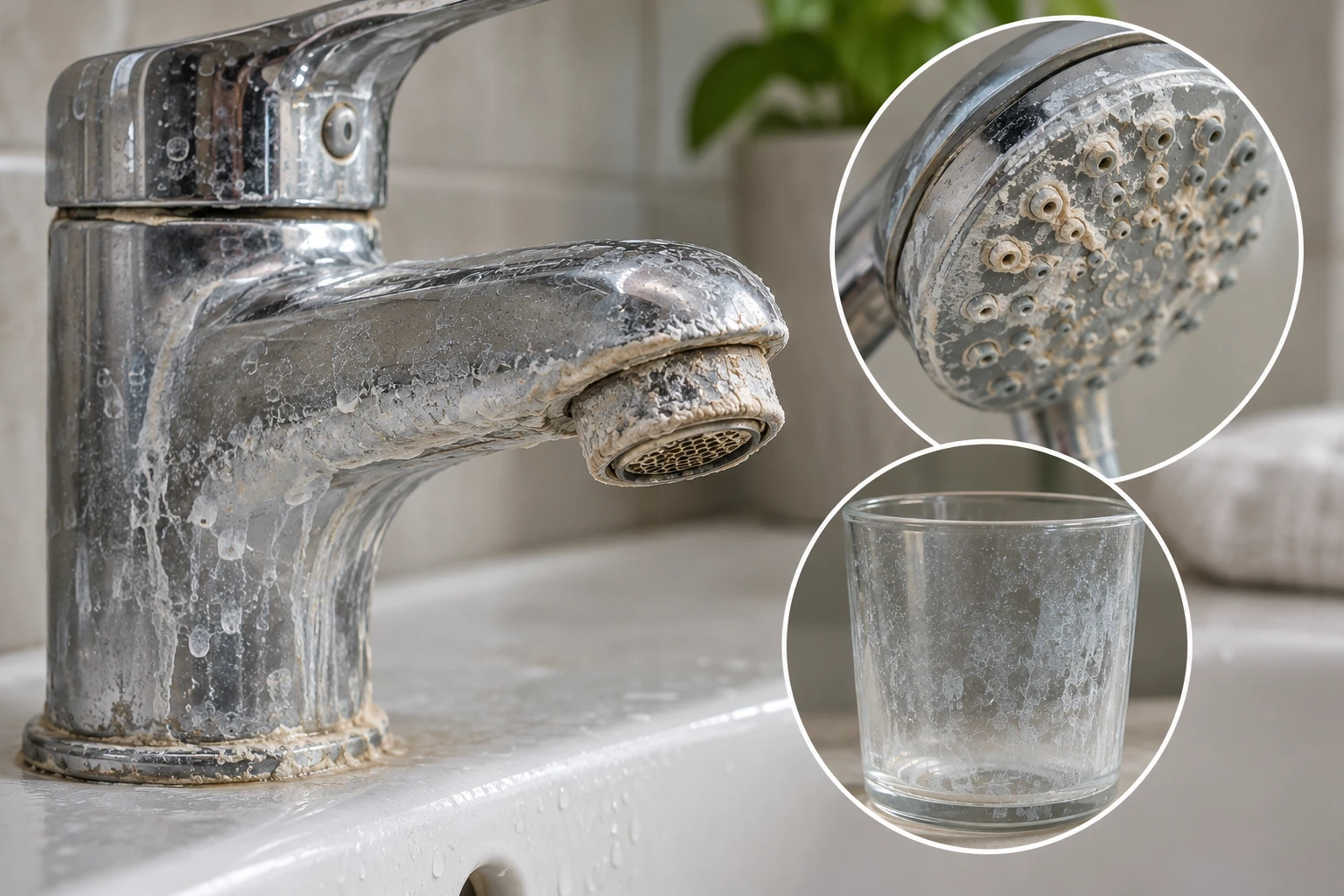
Have you noticed white deposits around faucets, cloudy spots on glassware, or stubborn scale inside your kettle? These are common signs of hard water.
Hard water contains dissolved minerals, mainly calcium and magnesium. Although these minerals are generally not harmful at typical drinking-water concentrations, they can cause limescale buildup in pipes, heating systems, and household appliances.
Water softeners and scale inhibitors are two common solutions. But how do they work, and which one is right for your application?
Let's take a closer look.
1. What Is Hard Water?
Hard water contains relatively high concentrations of dissolved calcium and magnesium. These minerals naturally enter water as it passes through rocks and soil.
Water hardness is commonly measured in mg/L or ppm as calcium carbonate (CaCO₃).
| Water Hardness | Classification |
|---|---|
| 0–60 mg/L | Soft |
| 61–120 mg/L | Moderately Hard |
| 121–180 mg/L | Hard |
| Above 180 mg/L | Very Hard |
These are commonly used USGS classification ranges.
Typical signs of hard water include:
-
White deposits on faucets and showerheads
-
Scale inside kettles and water heaters
-
Spots on dishes and glassware
-
Reduced soap lather
-
Mineral deposits inside pipes and appliances
2. How Does Limescale Form, and Why Is It a Problem?
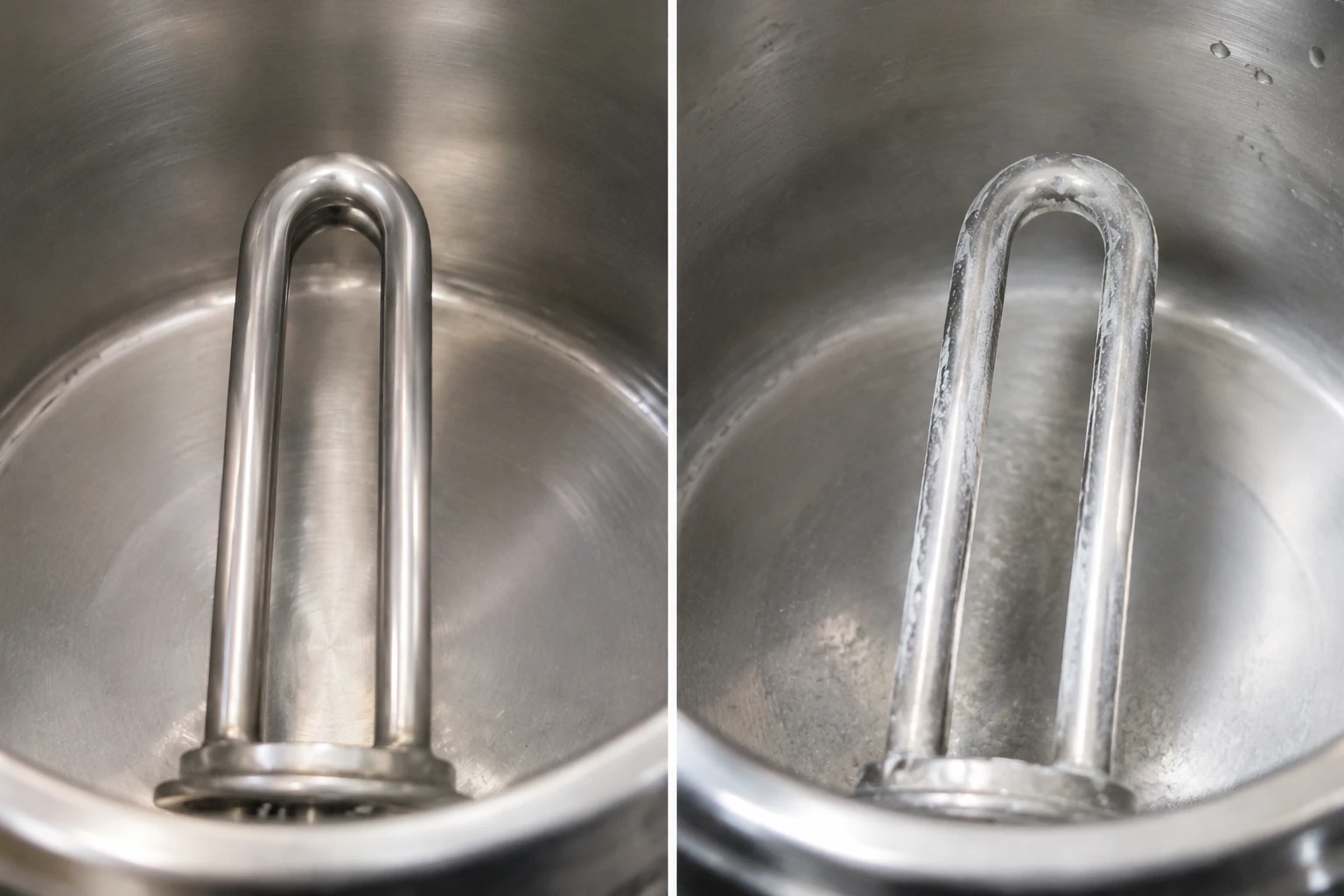
Limescale is a mineral deposit primarily associated with calcium carbonate.
When hard water is heated or its chemical conditions change, dissolved calcium compounds can form solid deposits on surfaces.
Over time, repeated exposure can lead to several problems:
Reduced Heating Efficiency: Scale can form an insulating layer on heating elements, reducing heat transfer efficiency.
Restricted Water Flow: Heavy deposits inside pipes and fittings may gradually reduce water flow.
Appliance Maintenance: Water heaters, dishwashers, and other equipment may require more frequent cleaning and descaling.
Higher Operating Costs: Reduced heating efficiency and additional maintenance may increase operating expenses.
Understanding how limescale forms is the first step toward choosing an appropriate hard water treatment solution.
3. What Is a Water Softener?
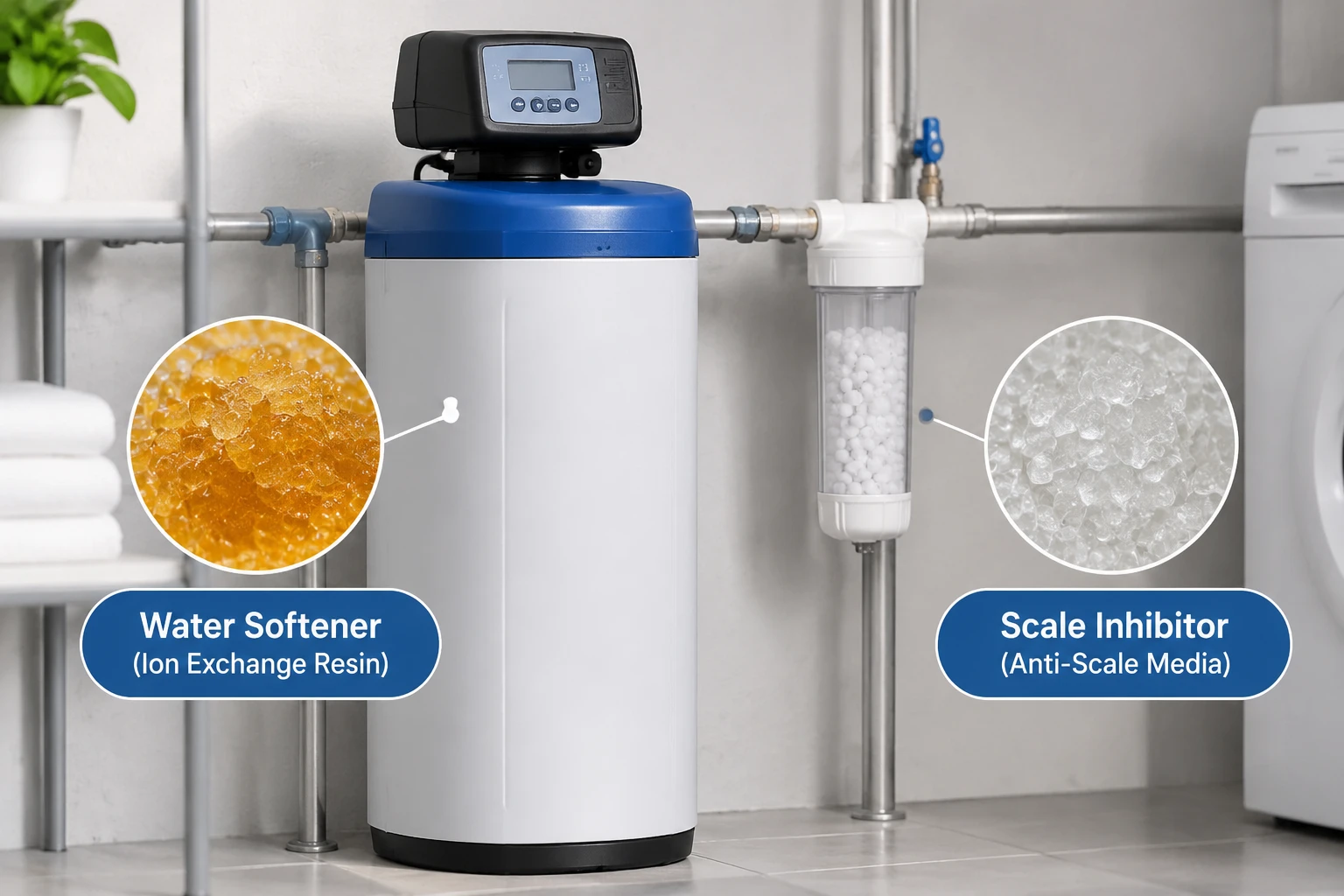
A traditional salt-based water softener uses a process called ion exchange to reduce water hardness.
Inside the system, resin beads capture calcium and magnesium ions and exchange them for sodium or potassium ions.
The process generally involves four steps:
-
Hard water enters the resin tank.
-
Calcium and magnesium ions are captured by the resin.
-
Sodium or potassium ions are released into the water.
-
The resin is periodically regenerated using a salt solution.
By reducing hardness minerals, a water softener helps prevent calcium and magnesium scale formation.
However, traditional softeners require salt replenishment, periodic regeneration, and appropriate drainage.
4. What Is a Scale Inhibitor?
A scale inhibitor is designed to reduce mineral scale formation or deposition without necessarily removing calcium and magnesium from the water.
Different technologies work in different ways. Some treatment media influence mineral crystallization, while chemical inhibitors interfere with crystal growth and scale formation.
Unlike conventional ion exchange softeners, many salt-free conditioners do not significantly reduce measured water hardness.
The key difference: A water softener reduces hardness minerals, while a scale inhibitor mainly manages how scale forms or deposits.
5. Water Softener vs. Scale Inhibitor: Key Differences
| Feature | Water Softener | Scale Inhibitor |
|---|---|---|
| Main Function | Reduces water hardness | Controls scale formation |
| Calcium & Magnesium | Reduced | Generally remain |
| Salt Required | Usually yes | Often no |
| Regeneration | Usually required | Depends on technology |
| Water Hardness Test | Decreases | Often unchanged |
| Main Application | Hardness reduction | Scale management |
Which One Should You Choose?
A water softening system is generally more suitable when actual hardness reduction is required.
A scale inhibitor may be considered when the main concern is mineral deposits on particular appliances or plumbing systems.
Neither technology is automatically the best choice for every application. Water quality, operating conditions, and treatment objectives should all be considered.
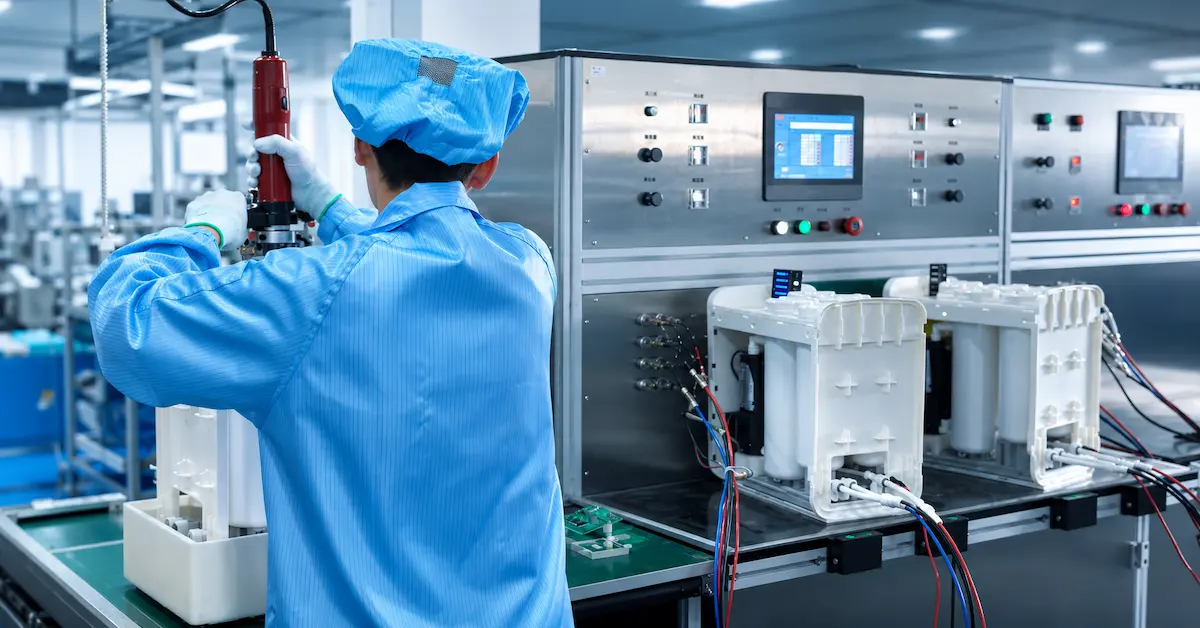
6. What About Reverse Osmosis (RO)?
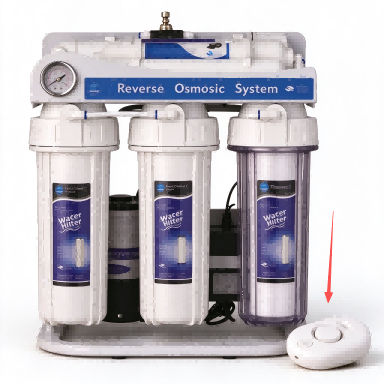
Reverse Osmosis is another water purification technology that can significantly reduce dissolved minerals, including calcium and magnesium.
Unlike traditional water softeners, RO systems use a semi-permeable membrane to separate a substantial proportion of dissolved salts and other impurities from water.
However, RO and whole-house water softeners serve different purposes.
-
Water Softener: Primarily reduces calcium and magnesium hardness.
-
Scale Inhibitor: Helps manage mineral scale formation or deposition.
-
RO System: Reduces a broader range of dissolved substances.
The appropriate solution depends on whether the goal is hardness reduction, scale control, or broader water purification.
7. How to Choose the Right Water Treatment System
Before selecting a system, consider four important factors:
1. Test Your Water: Determine the actual hardness level and identify other relevant water quality parameters.
2. Identify the Problem: Do you need to reduce calcium and magnesium, or mainly control scale deposits?
3. Consider the Application: A whole-house system has different flow and capacity requirements from a point-of-use appliance filter.
4. Check Maintenance Requirements: Consider salt replenishment, regeneration, cartridge replacement, water consumption, and operating costs.
Choosing the right solution starts with understanding your water and matching the treatment technology to your needs.
8. Frequently Asked Questions (FAQ)
Q1. Is hard water safe to drink?
Hard water is generally not considered a health hazard simply because it contains calcium and magnesium. However, hardness alone does not indicate overall drinking water safety.
Q2. Does a scale inhibitor remove calcium and magnesium?
Most scale inhibitors do not significantly remove these minerals. Their main purpose is to reduce scale formation or deposition.
Q3. Is a salt-free water conditioner the same as a water softener?
No. Most salt-free conditioners focus on scale management, while conventional ion exchange softeners actually reduce water hardness.
Q4. Can reverse osmosis remove water hardness?
Yes. RO membranes can substantially reduce calcium, magnesium, and other dissolved ions. Actual performance depends on feed water conditions and system design.
Q5. Which is better for preventing limescale?
It depends on the application. A water softener is suitable when hardness reduction is required, while an appropriate scale inhibitor may be useful when the main concern is scale deposition.
Conclusion
Hard water and limescale are common water quality challenges, but different treatment technologies address them in different ways.
Water softeners reduce hardness minerals, while scale inhibitors help manage scale formation. Reverse osmosis provides another option when broader dissolved impurity reduction is required.
Understanding these differences helps homeowners, installers, and water treatment professionals select solutions based on actual water conditions rather than product labels.
The right water treatment solution starts with understanding your water.
At INTOPAQUA, we believe effective water treatment begins with choosing the right technology for the right application.