
B2B: INTOPAQUA Tabletop Water Purifier

blog avatar

Written

Anonymous

Published
Oct 14 2025
  • Solutions
  • Application Scenarios

Follow us

b2b-intopaqua-tabletop-water-purifier
Worried about annoying landlords with wall drilling when renting? Can’t fit a traditional under-sink purifier in your small space? Desktop water purifiers, with no installation needed and space-saving design, solve these problems perfectly. Below is a breakdown of key buying points, with a focus on INTOPAQUA’s desktop models to help you choose the right solution quickly.
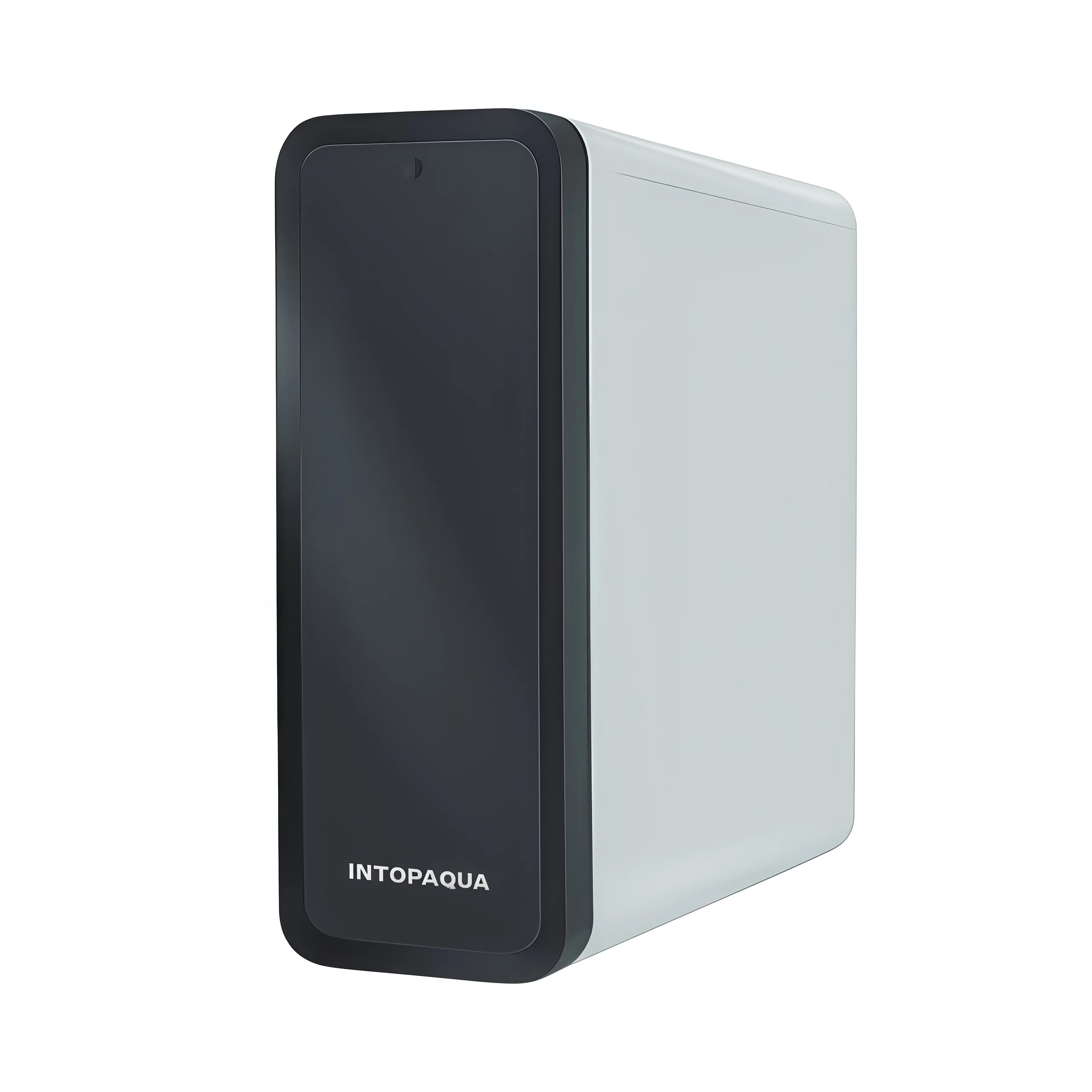
TOP-RO-3E, appearance picture​

Why Are Desktop Purifiers More Suitable?​

Traditional under-sink RO purifiers require drilling, take up space, and are hard to move; INTOPAQUA’s desktop purifiers, with no installation and lightweight portability, are ideal for renters and small spaces:
Comparison Dimension
Traditional Under-Sink RO Purifier
INTOPAQUA Desktop Purifier
Installation
Needs drilling & pipe connection, relies on professionals
Plug-and-use, ready in 5 minutes
Space Occupation
Takes under-sink cabinet space, limited for small spaces
Size of A4 paper, fits on countertop/corner
Relocation
Troublesome to disassemble, hard to take away
About 5kg, easy to carry
Scenarios
Owned houses, large kitchens
Rentals, small spaces, dormitories

​INTOPAQUA Desktop Purifier: 3 Core Advantages​

1. No Installation & Easy to Move, Zero Burden​
Tank-style water intake eliminates the need for water pipe connection—just add tap water to make purified water. Even women can operate it independently, and it can be carried with one hand when moving, offering flexible and waste-free use.​
2. Dual Cartridges + Zero Stagnant Water, Safe for Direct Drinking​
Equipped with PPC + RO dual cartridges, it has a filtration precision of 0.0001 microns, removing heavy metals and bacteria, on par with under-sink purifiers. With Zero Stagnant Water technology, the TDS value of the first glass of water is ≤25ppm, ready to drink immediately after pouring.​
3. Space-Saving & Smart, Friendly for Small Spaces​
Measuring 28×18×35cm, smaller than a large dictionary, it doesn’t take up much space. The 2.5L tank meets the needs of 1-2 people a day. Indicators for filter life and water shortage provide reminders, with thoughtful details.
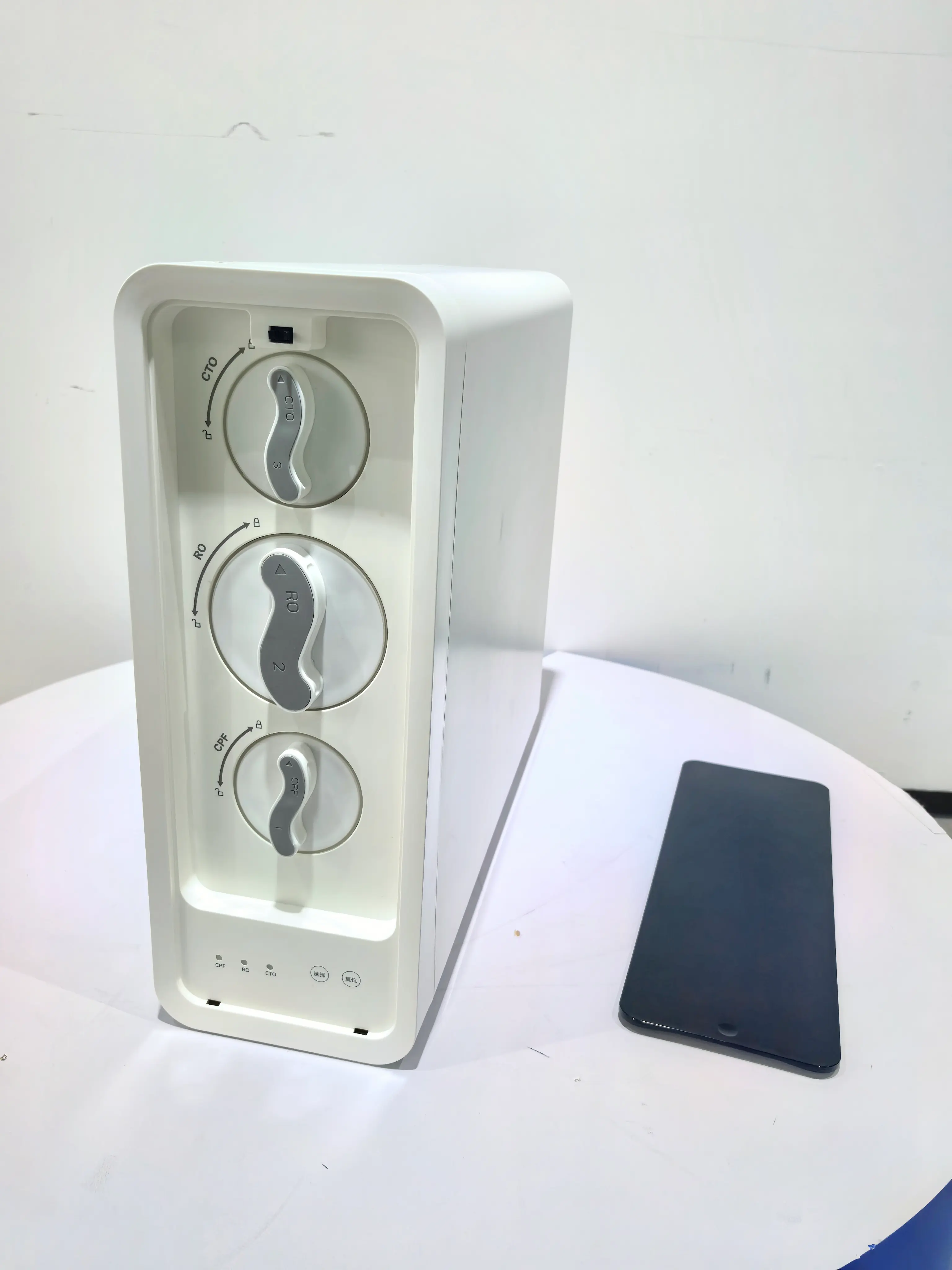
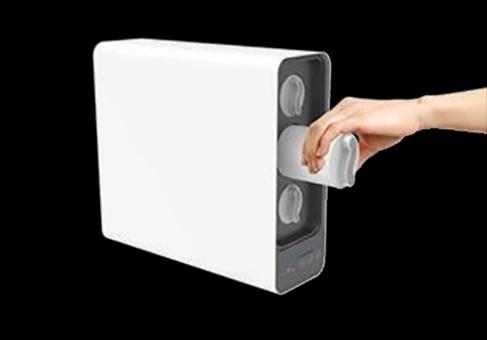
TOP-RO-3E, appearance pictureTOP-RO-3E, open cover​

Avoid Mistakes When Buying: 3 Key Indicators​

  1. Choose RO Reverse Osmosis Models: Ultrafiltration purifiers can’t remove heavy metals; only RO models meet standards, like INTOPAQUA’s.​
  1. Calculate Filter Cost: INTOPAQUA’s filters last up to 2 years, costing less than 1 yuan per day, with a quick-release design for easy self-replacement.​
  1. Check Tank Material: Opt for food-grade PP material (BPA-free) to avoid harmful substances released by low-quality plastics.​

Conclusion​

Renters and small-space users don’t have to compromise. INTOPAQUA’s desktop purifier requires no installation, saves space, is easy to move, and ensures drinking water safety. If you want clean drinking water, this is the right choice.
INTOPAQUA : Disclaimer
The content above is provided by INTOPAQUA's trademarks for informational purposes. Unauthorized reproduction is prohibited.
Featured Blogs
Why Is Water Quality So Important for Dental Autoclaves?

Why Is Water Quality So Important for Dental Autoclaves?

1、Poor water quality can cause mineral buildup inside dental autoclaves. 2、Dissolved minerals and chlorides may contribute to scaling, corrosion, and maintenance issues. 3、Many sterilizer specifications reference a conductivity limit of 15 µS/cm. 4、INTOPAQUA RO-DI technology achieves conductivity below 7 µS/cm. 5、Discover how RO-DI purification helps provide suitable water for dental sterilization equipment.

Dental Unit Waterline Biofilm Control: Why DI Water Plus HOCl Works Better

Dental Unit Waterline Biofilm Control: Why DI Water Plus HOCl Works Better

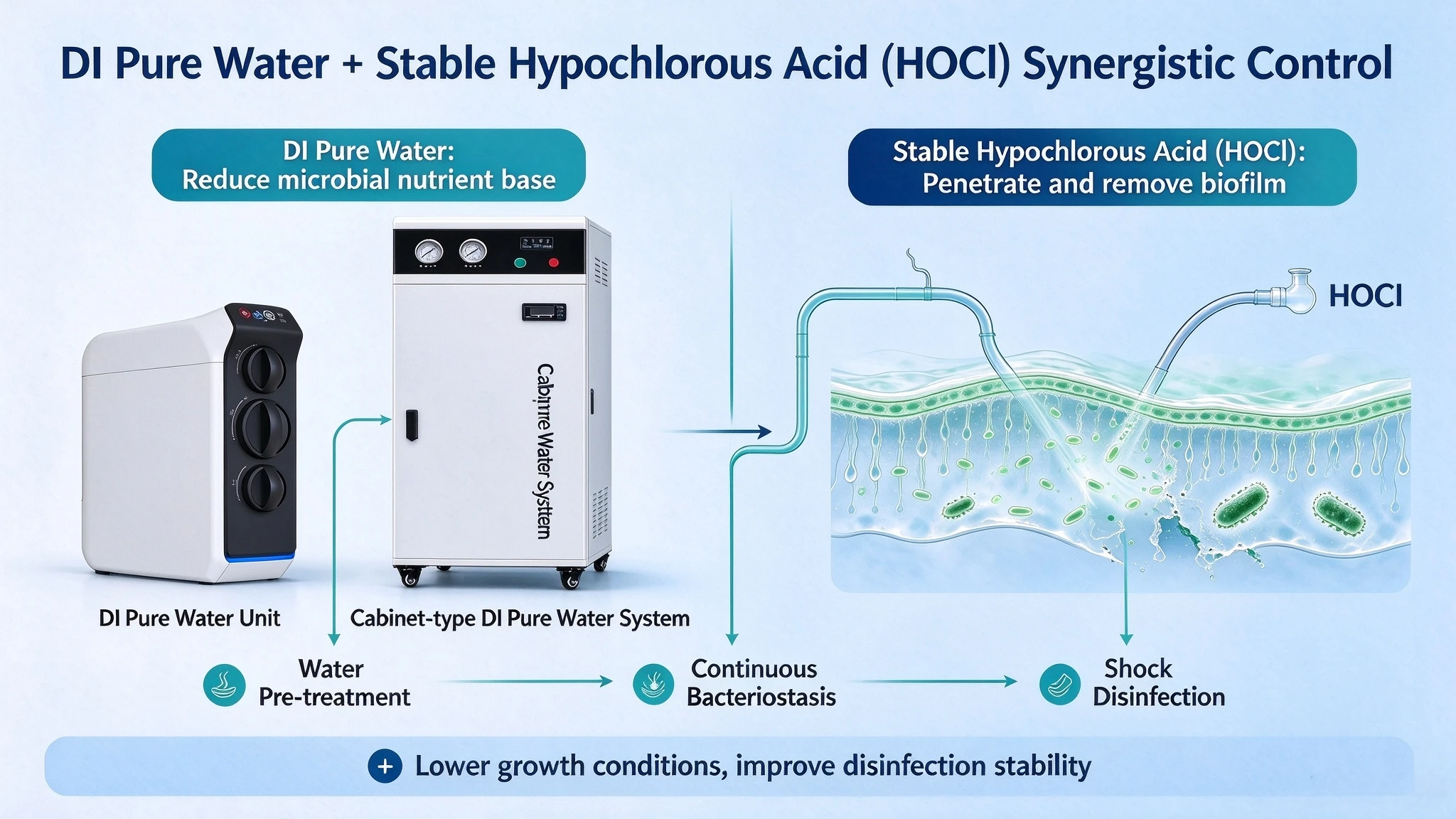
Many dental clinics follow standard disinfection protocols, yet invisible microbial films, known as biofilm, keep forming inside dental unit waterlines and bring recurring infection hazards. Disinfectants alone often fail to deliver long‑term control. This article defines biofilm, lists its common locations, explains the limits of conventional disinfection, and introduces a widely adopted strategy: DI pure water as the water foundation paired with stable hypochlorous acid (HOCl) for disinfection. DI water deprives microbes of nutrients, while HOCl penetrates biofilm structures and kills embedded bacteria. The two work synergistically for reliable biofilm management.

What Does TDS in Water Really Mean? A Complete Guide for Healthier Drinking Water and Better Filtration

What Does TDS in Water Really Mean? A Complete Guide for Healthier Drinking Water and Better Filtration

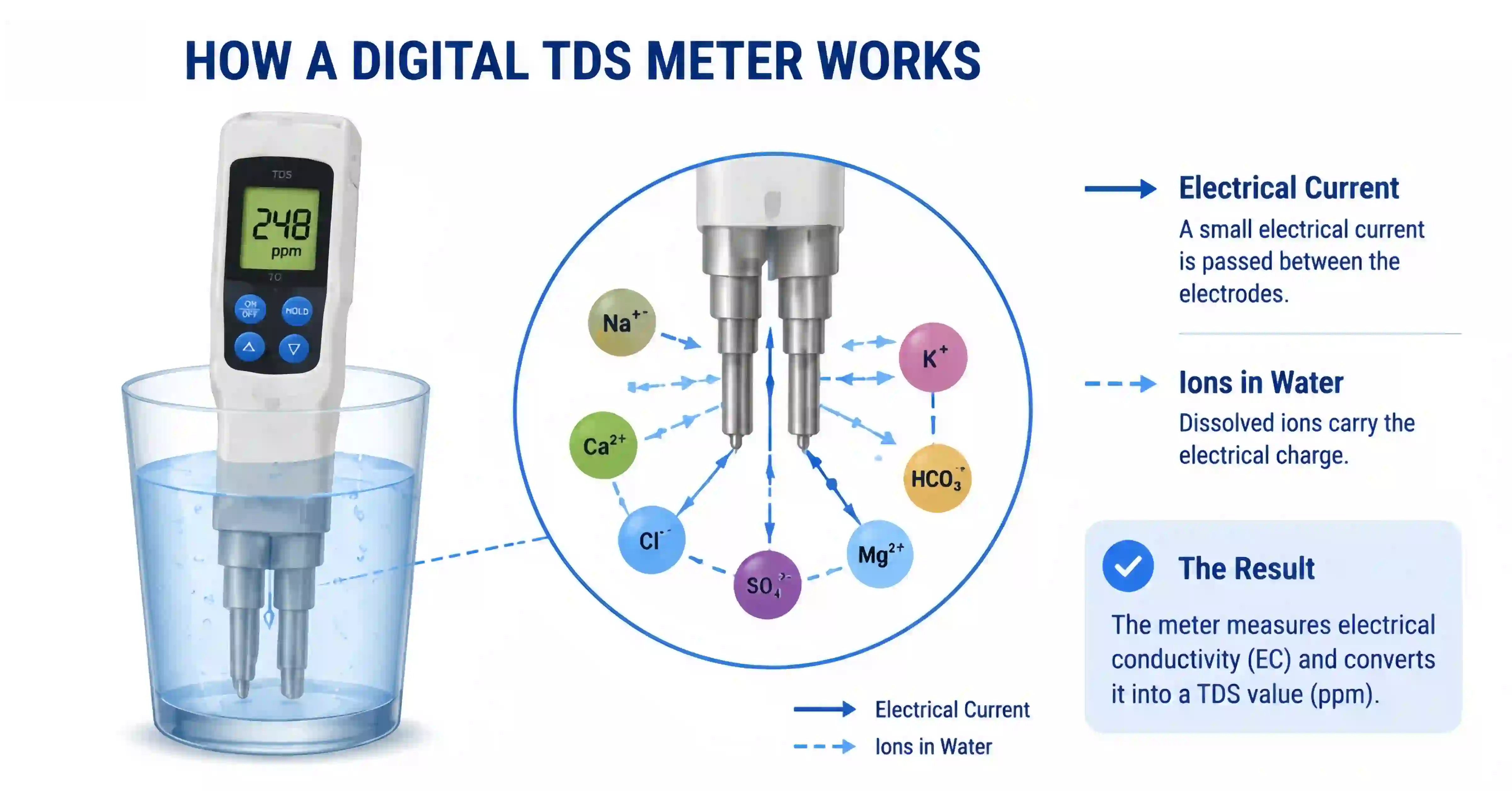
Key Takeaway: TDS is a useful indicator for monitoring mineral content and water quality changes, but it should not be the sole measure of water safety. Critical Considerations: Water quality decisions must also account for microbial safety, source water, and system maintenance. Solution: Reverse osmosis (RO) is highlighted as a highly effective, versatile technology for reducing TDS. Final Recommendation: Combine regular testing with a well-designed filtration system (like RO) to improve taste, protect equipment, and meet the diverse needs of households, businesses, and industries.

Water Purifier Manufacturer Guide for B2B Buyers

Water Purifier Manufacturer Guide for B2B Buyers

A B2B guide for global buyers sourcing water purifier products, OEM/ODM systems, filter cartridges, whole house solutions, and water treatment components from INTOPAQUA.

In-Depth Analysis of Sterilizer Water: The Essential Differences and Impacts of Distilled, RO, and Ultrapure Water

In-Depth Analysis of Sterilizer Water: The Essential Differences and Impacts of Distilled, RO, and Ultrapure Water

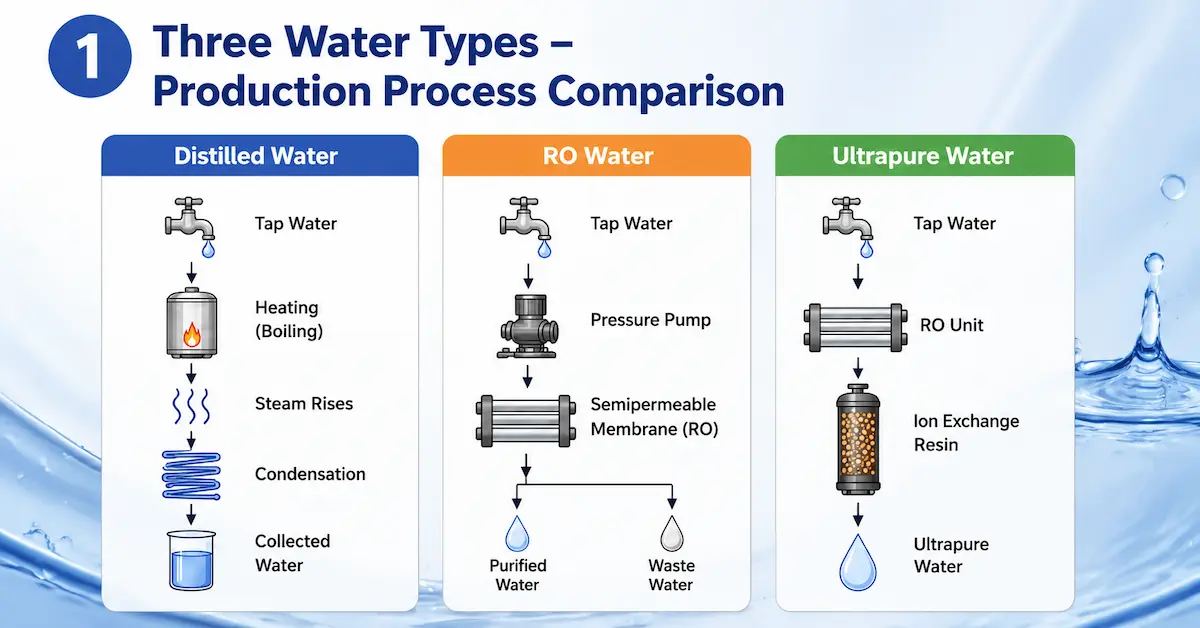
Sterilizer water quality affects scale, corrosion, energy use, and downtime. This guide compares RO water for sterilizers, distilled water for sterilizer use, and ultrapure water sterilizer systems to help B2B buyers choose a feed water system.

Why Water Filters Leak After Installation and How B2B Buyers Can Avoid It

Why Water Filters Leak After Installation and How B2B Buyers Can Avoid It

This guide explains why water filters leak after installation and how B2B buyers can reduce risk by checking O-ring material, double-seal housing, groove precision, housing roundness, NSF certification, cartridge fill, and supplier quality control before OEM or wholesale orders.

© 2026 INTOPAQUA . All rights reserved.Privacy PolicyTerms Of Service