
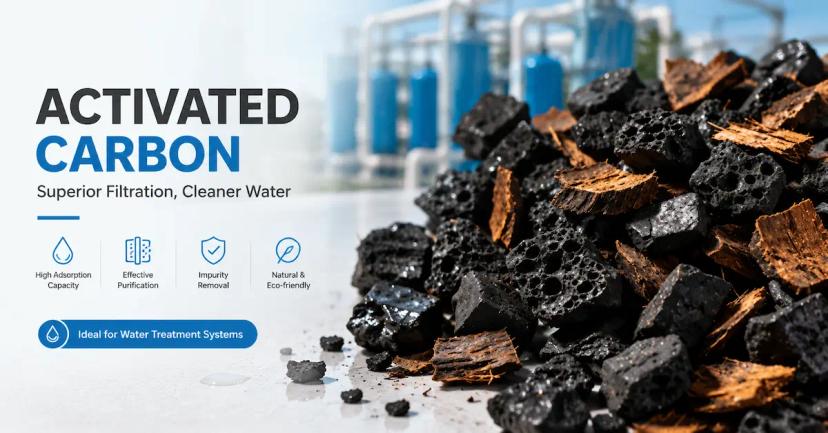
Chapter 1: Understanding Activated Carbon – The Black Gold in Water Purification
In today's era of pursuing healthy living, drinking water safety has become a global concern. When we turn on the faucet, although tap water undergoes preliminary treatment at water plants, it may still contain residual chlorine, organic pollutants, odors, and various other potential risk substances. In this context, activated carbon – this seemingly ordinary material containing powerful purification capabilities – is quietly becoming the "black gold guardian" protecting household drinking water safety.
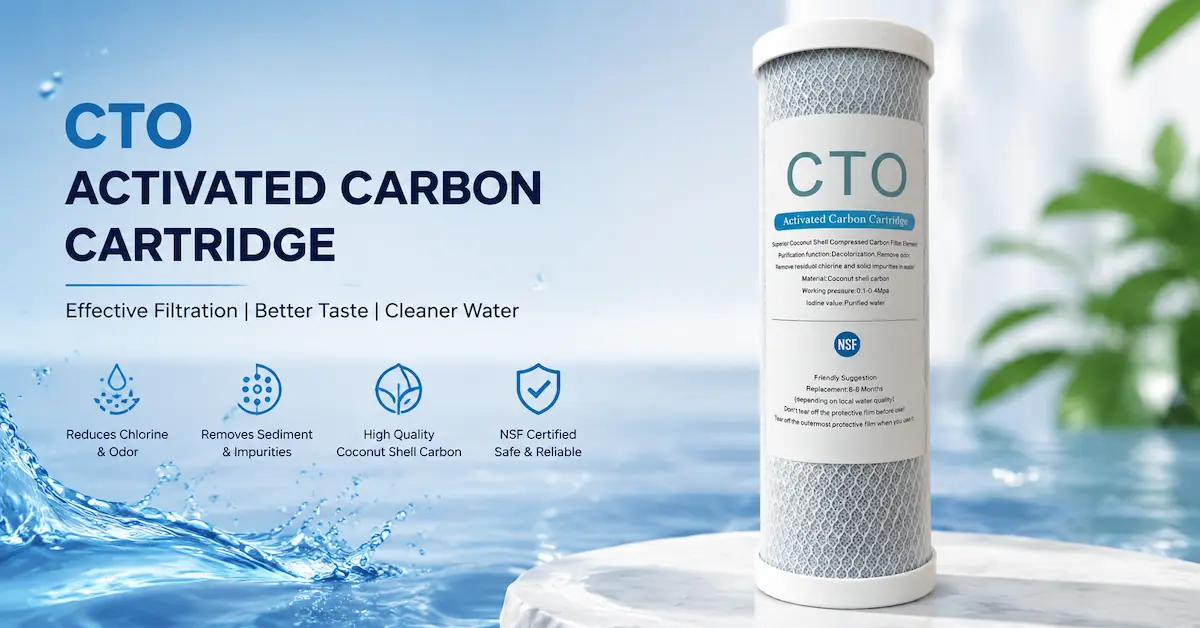
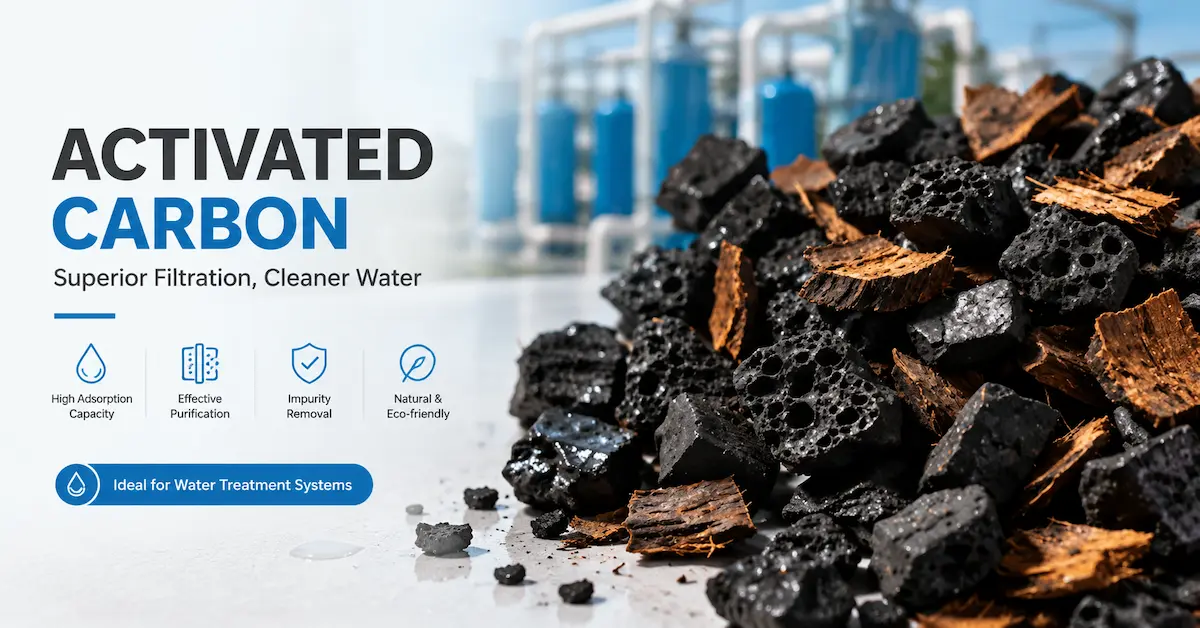
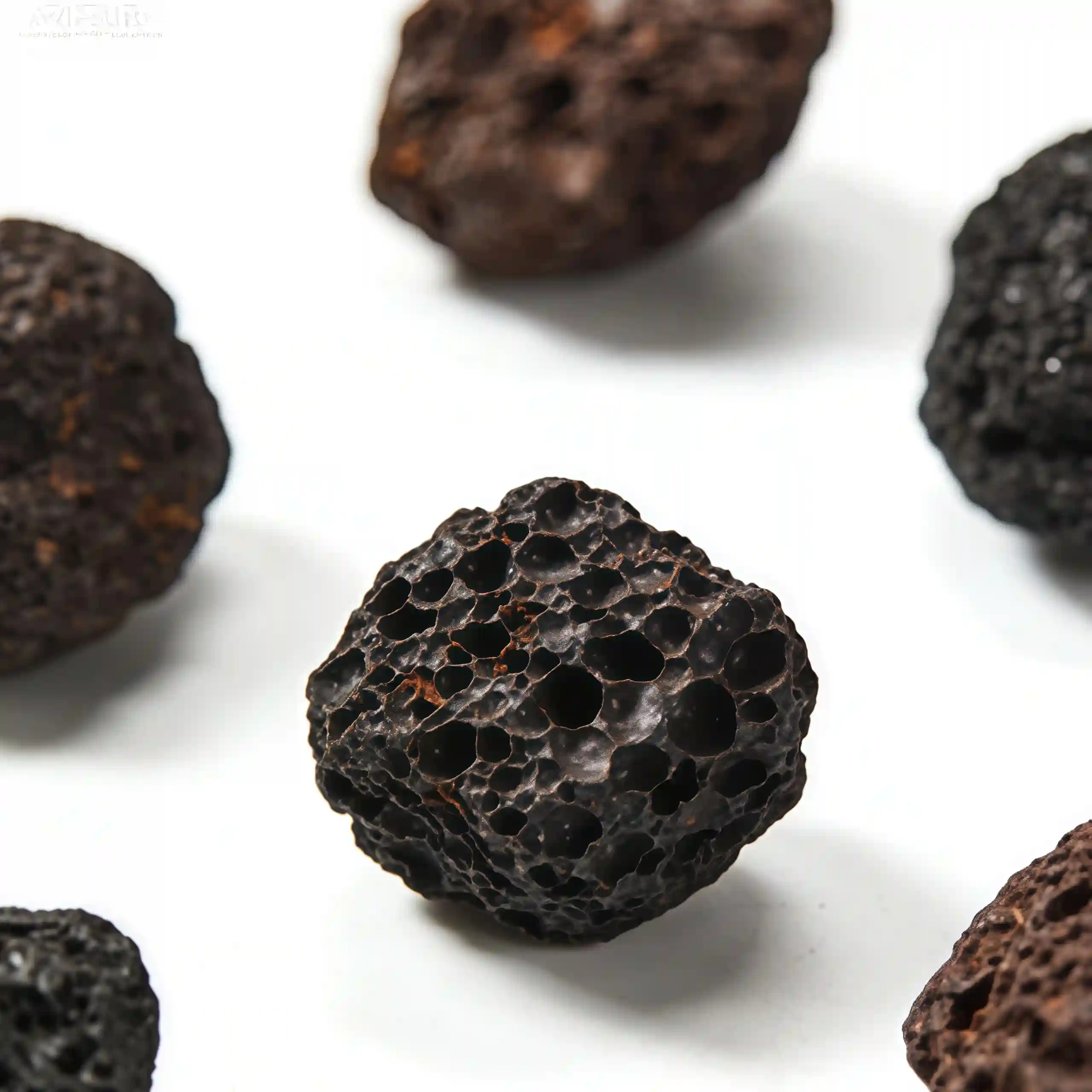
INTOP coconut shell activated carbon, as a professional product in this field, uses 100% natural coconut shells as raw material. Through innovative steam thermal activation technology, it creates water purification material with exceptional adsorption performance. Unlike traditional mineral carbon, coconut shell activated carbon contains no heavy metal residues, ensuring product safety from the source. Each activated carbon particle internally possesses a honeycomb-like microporous structure. One gram of activated carbon can have a specific surface area of 500-1500 square meters, equivalent to the area of a standard tennis court. This astonishing surface area provides the physical foundation for its powerful adsorption capacity.
Chapter 2: INTOP's Technological Breakthrough – Chemical-Free Activation Process
2.1 Limitations of Traditional Activation Processes
In traditional activated carbon manufacturing, chemical activation methods widely use chemical reagents such as phosphoric acid and zinc chloride. Although these substances can effectively create pore structures, they inevitably leave chemical residues in the finished product. Long-term use may cause secondary pollution, which is particularly unacceptable for drinking water treatment.
2.2 INTOP's Innovative Solution
INTOP adopts a purely physical steam thermal activation process, completely abandoning the use of chemical reagents. This process includes three key stages:
Stage 1: Coconut Shell Carbonization
In an oxygen-deficient environment, selected coconut shells are heated to 400-600°C, causing volatile substances to decompose and escape, forming a primary carbon skeleton.
Stage 2: Steam Activation
At high temperatures of 800-1000°C, superheated steam is introduced. Steam reacts chemically with carbon (C + H₂O → CO + H₂). This process not only creates rich microporous structures but also removes impurities from the carbon surface.
Stage 3: Structural Adjustment
By precisely controlling temperature and time parameters, the pore size distribution is optimized to best adsorb low molecular weight organic pollutants in water.
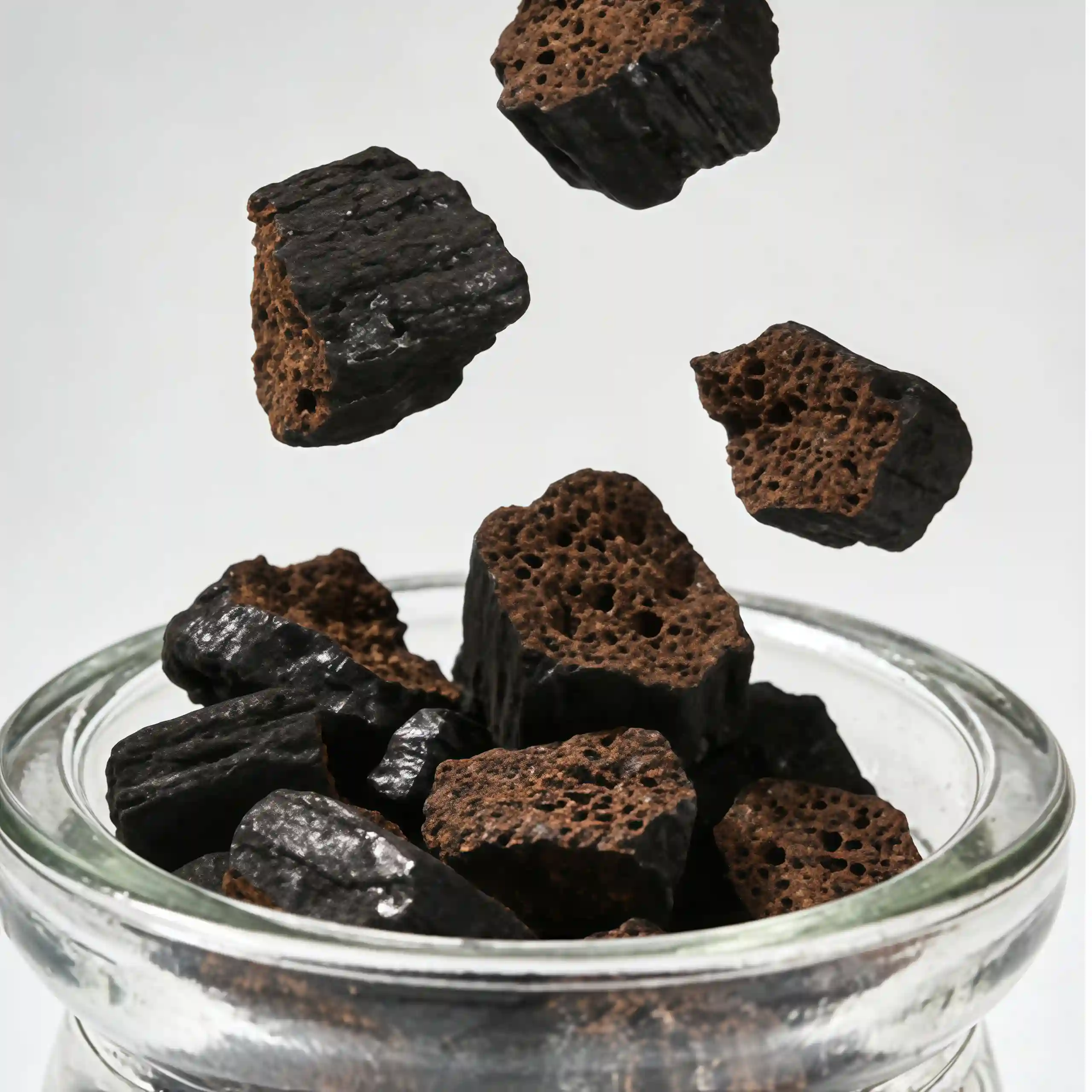
This innovative process ensures that INTOP activated carbon is completely free of chemical residues while creating a highly developed pore structure. Testing shows that its micropore (pore size <2nm) proportion exceeds 85%, making it particularly suitable for adsorbing organic pollutants with molecular weights between 100-300 – precisely the range of the most common harmful substances in drinking water.
Chapter 3: In-depth Analysis of Activated Carbon Adsorption Science
3.1 The Essential Difference Between Adsorption and Filtration
The public often refers to activated carbon water purification as "filtration," which is scientifically inaccurate. True filtration involves intercepting particles through physical barriers, such as sand filtration or membrane filtration. Activated carbon works through "adsorption" – a surface physicochemical phenomenon.
The adsorption process can be divided into two levels:
-
Physical Adsorption: Relies on van der Waals forces to fix pollutant molecules on the activated carbon surface
-
Chemical Adsorption: Through chemical bonding forces, particularly effective for specific substances like chlorine
3.2 Four Major Adsorption Advantages of INTOP Activated Carbon
Advantage 1: Selective Adsorption Capacity
Since the pore size distribution of coconut shell activated carbon is mainly concentrated between 0.8-2nm, this range exactly corresponds to the molecular size of most harmful organic substances. This "molecular sieve" effect enables selective adsorption of harmful substances while allowing beneficial mineral ions (such as calcium, magnesium) to pass through smoothly.
Advantage 2: Rapid Kinetic Characteristics
INTOP activated carbon particles are optimally designed to ensure sufficient contact surface area while maintaining smooth water flow. Laboratory data shows that at a water flow rate of 0.5L/min, chlorine removal efficiency can reach over 90% within the first 30 seconds of contact.
Advantage 3: Broad-Spectrum Removal Capability
The product demonstrates excellent removal performance for various pollutants:
-
Residual chlorine removal rate: >99%
-
Trihalomethane (carcinogen) removal rate: >95%
-
Benzene series removal rate: >98%
-
Odor-causing substances removal rate: >90%
Advantage 4: Wide pH Adaptability
INTOP activated carbon maintains stable adsorption performance within a wide pH range of 5-9, suitable for various water quality conditions.
Chapter 4: Comprehensive Analysis of Practical Application Scenarios
4.1 Household Drinking Water Purification Systems
Pre-filter Configuration
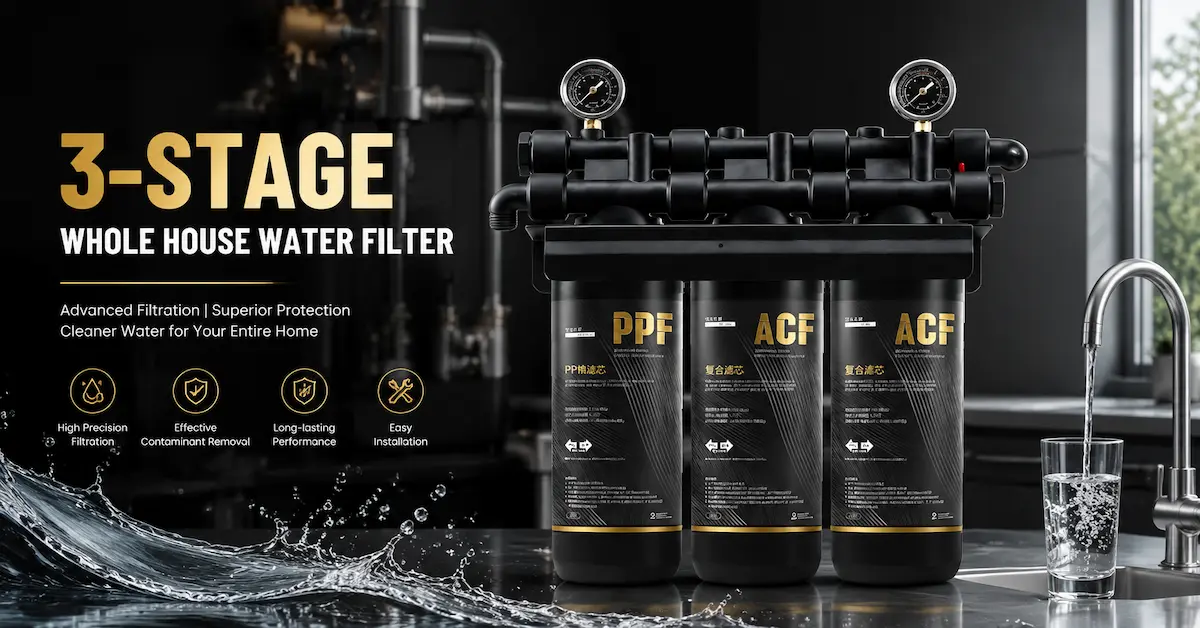
Placing INTOP activated carbon at the pre-filter position of a whole-house water purification system can effectively remove residual chlorine, protecting subsequent reverse osmosis membranes or ultrafiltration membranes, extending their service life by 30%-50%. Recommended filling amount: 5-8kg activated carbon per ton/hour flow rate.
Point-of-Use Water Dispenser Applications
In water dispensers, activated carbon is typically used as the final treatment process, mainly for improving taste and removing odors. Since water dispensers have relatively slow flow rates (generally 0.2-0.5L/min), activated carbon has sufficient contact time for more thorough purification.
4.2 Commercial and Industrial Applications
Food Service Industry Water Treatment
The food service industry has special requirements for water quality, particularly sensitivity to chlorine taste in premium tea and coffee preparation. Using INTOP activated carbon treatment can significantly enhance the authentic taste of beverages. A coffee chain brand reported that after using the product, coffee off-flavors decreased, and flavor layers became clearer.
Laboratory Ultrapure Water Preparation
In laboratory ultrapure water systems, activated carbon serves as a pretreatment unit to protect expensive ion exchange resins and reverse osmosis membranes. INTOP activated carbon's low ash content characteristic (<3%) makes it particularly suitable for this high-demand application.
Advanced Treatment in Wastewater Treatment
For standard-compliant wastewater undergoing advanced treatment to further remove trace organic pollutants and achieve water reuse. The 20kg large package is especially suitable for such medium-scale treatment needs.
4.3 Emergency Water Purification Solutions
In emergency situations such as natural disasters or field operations, INTOP activated carbon can be used with simple devices to quickly establish water purification points. Practice shows that each kilogram of activated carbon can treat approximately 3-5 tons of lightly polluted water, meeting basic drinking water safety requirements.
Chapter 5: Product Performance Verification and Quality Assurance
5.1 Significance of NSF/ANSI 61 Certification
NSF/ANSI 61 is a drinking water system component health effects standard established by the National Sanitation Foundation, recognized globally as an authoritative certification. INTOP activated carbon's compliance with this certification means:
-
The material itself is safe and non-toxic
-
No harmful substances are released into water
-
No harmful substances leach out after long-term immersion
-
Compliant with strict migration test requirements
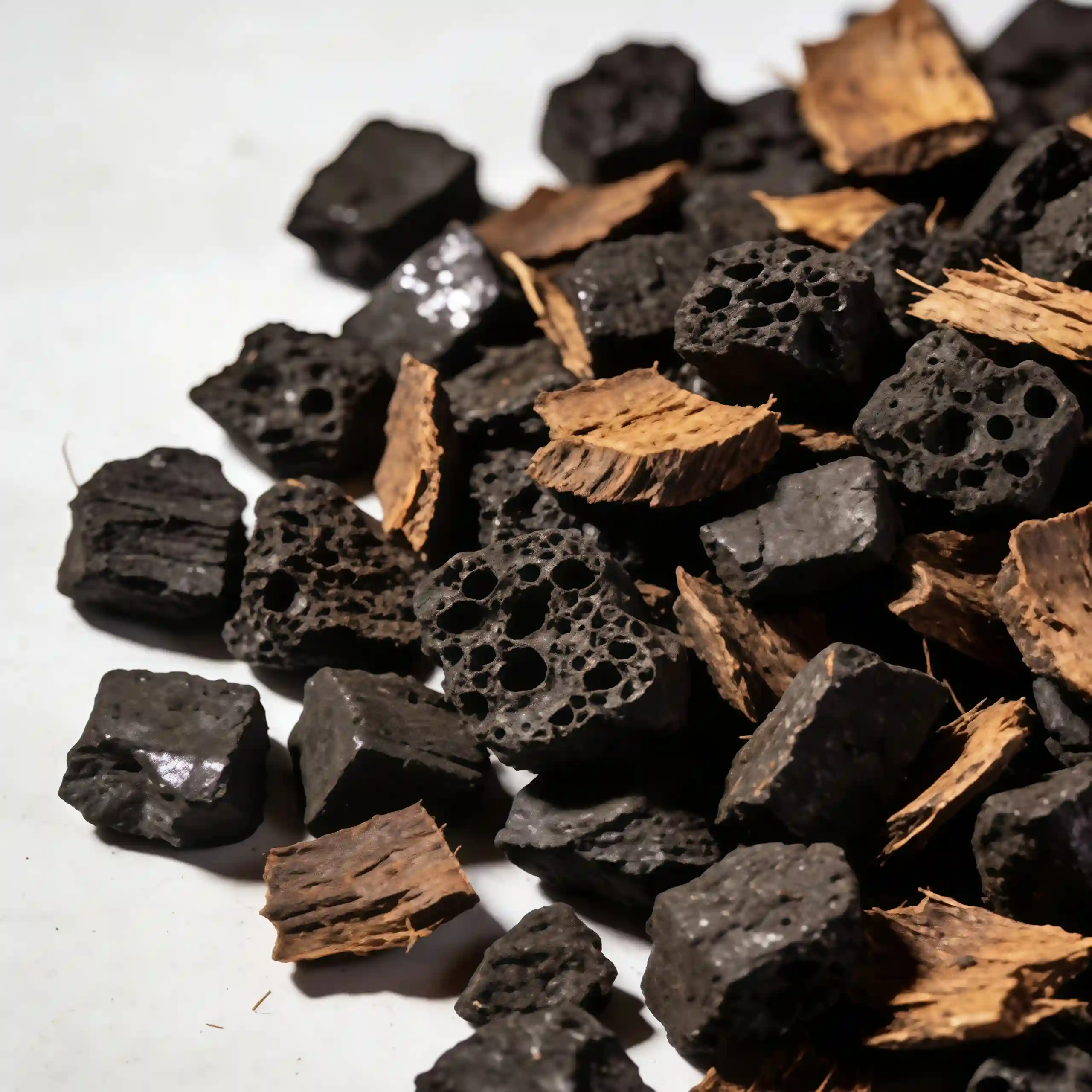
5.2 Third-Party Testing Data
According to internationally recognized laboratory testing, key indicators of INTOP coconut shell activated carbon are as follows:
-
Iodine adsorption value: ≥1050 mg/g
-
Methylene blue adsorption value: ≥180 mg/g
-
Carbon tetrachloride adsorption rate: ≥60%
-
Strength: ≥95%
-
Ash content: ≤3%
-
pH value: 6.5-8.5
These data meet or exceed international premium activated carbon standards.
5.3 Service Life and Regeneration Guidelines
Under normal household use conditions (processing 1-2 tons of water daily, chlorine content <2mg/L), the effective lifespan of INTOP activated carbon is 6-12 months. Indicators for replacement include:
-
Chlorine taste begins to appear in effluent
-
Significant decrease in purified water flow rate
-
Usage time exceeds recommended duration
Activated carbon has regeneration potential. Through professional high-temperature regeneration equipment, 70%-80% of adsorption capacity can be restored. However, household users are advised to replace directly to ensure purification effectiveness.
Chapter 6: INTOP's Environmental Commitment and Social Responsibility
6.1 Sustainable Raw Material Procurement
All coconut shell raw materials come from sustainably managed coconut plantations, involving no rainforest deforestation. Each ton of INTOP activated carbon used equivalently recycles 3-4 tons of coconut shell waste, achieving high-value utilization of agricultural by-products.
6.2 Carbon Footprint Optimization
Compared with traditional activated carbon, INTOP's chemical-free activation process reduces energy consumption by 30%. The entire production process's carbon footprint is reduced by 25%. Products use reusable packaging, further reducing environmental burden.
6.3 Community Water Resource Safety Projects
INTOP annually invests part of its profits into remote area water purification projects. Over 50 communities have received basic drinking water purification solutions, benefiting tens of thousands of residents.
Chapter 7: Installation and Usage FAQ
Q1: What size system is the 20kg package suitable for?
A: 20kg of activated carbon can fill approximately 30-40 liters of filter tank, suitable for water systems with flow rates of 1-2 tons/hour, meeting the needs of small to medium-sized households or commercial premises.
Q2: Does activated carbon breed bacteria?
A: Activated carbon itself does not have antibacterial functionality. However, in normally operating systems (regular water flow), due to the presence of residual chlorine and reduction of organic matter, it actually inhibits bacterial growth. Regular flushing is recommended. Before long-term shutdown, water should be drained.
Q3: How to handle used activated carbon?
A: Saturated activated carbon can be treated as harmless waste, used for gardening soil improvement (small amounts), or contacted with professional companies for regeneration processing.
Q4: How to coordinate with other water purification technologies?
A: Recommended combination scheme: Pre-filter → INTOP activated carbon → Ultrafiltration/Reverse Osmosis → Post-activated carbon. This combination achieves comprehensive purification while extending each component's lifespan.
Chapter 8: Future Prospects – Innovation Directions in Activated Carbon Technology
With the development of nanotechnology and materials science, activated carbon is evolving towards functionalization and intelligence. The INTOP R&D team is currently exploring:
-
Loaded Activated Carbon: Loading specific catalysts in pores to enhance removal capability for new pollutants
-
Magnetic Activated Carbon: Facilitating separation and recovery after use
-
Biological Activated Carbon: Combining microbial degradation to extend service life
-
Intelligent Monitoring Type: Built-in sensors to display adsorption saturation status in real-time
It is anticipated that these innovations will gradually commercialize in the next 3-5 years, bringing revolutionary changes to the water treatment industry.
Conclusion
Water is the source of life; water purification is the foundation of health. INTOP coconut shell activated carbon, with its natural raw materials, innovative processes, and excellent performance, provides reliable water purification solutions for millions of households and enterprises. In today's pursuit of higher quality of life, choosing INTOP is not only choosing a product but also choosing a lifestyle that is responsible for health and environmentally friendly.
As water quality issues become increasingly complex and health requirements continue to rise, activated carbon technology will continue to evolve. INTOP will continue to invest in R&D, committed to providing global users with safer, more efficient, and smarter water purification products. Let us look forward to the perfect combination of technology and nature, where every drop of water can radiate pure vitality.
Friendly Reminder: Water purification equipment requires regular maintenance and replacement. It is recommended to check activated carbon status every 6-12 months to ensure continuous and stable purification effects. INTOP provides professional technical consultation and after-sales service to safeguard your water safety.
The data in this article is based on laboratory test results and practical application cases. Specific effects may vary depending on water quality conditions and usage environment. It is recommended to conduct water quality testing before use to select the most suitable water purification solution. INTOP reserves the right to improve and adjust product technical specifications.