
Introduction: When Water Meets Carbon, A Purification Revolution Begins
We drink water every day, but have you ever wondered: How does tap water become clear and sweet? How is industrial wastewater safely treated? Where does the pure taste of bottled water come from? Among the answers to these questions, there is a common "black hero"—activated carbon.
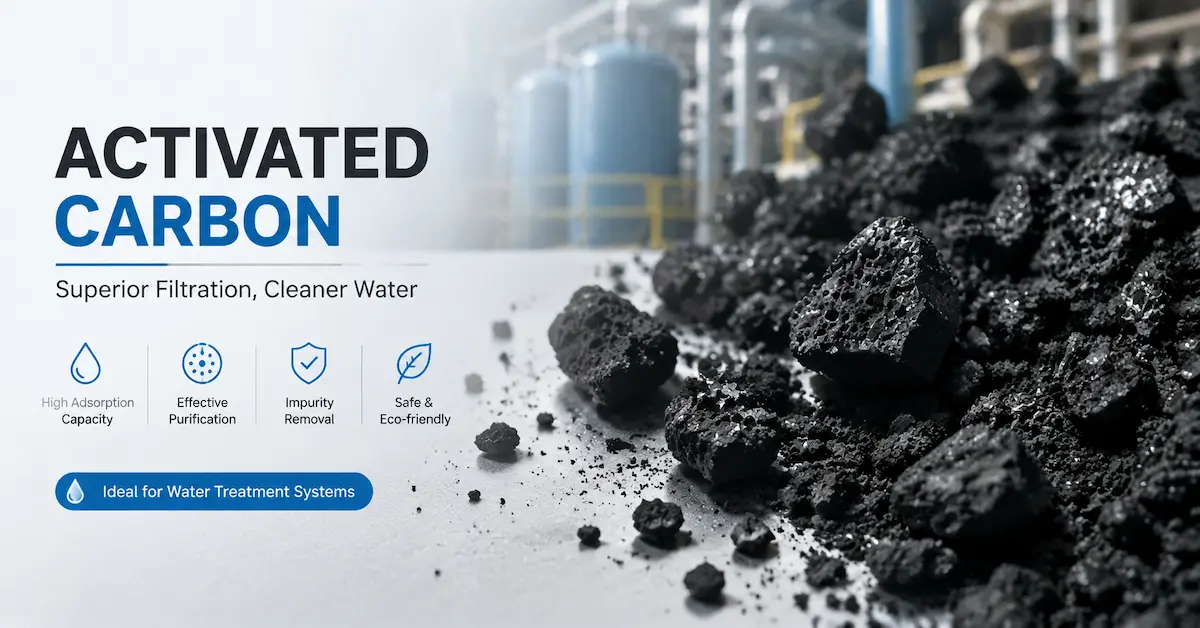
Activated carbon, these seemingly ordinary black granules, are actually an indispensable core material in modern water treatment technology. From the small filter cartridges in home kitchens to the massive treatment systems in city water plants, activated carbon is everywhere, silently safeguarding our drinking water safety. It acts like an invisible barrier, intercepting pollutants, odors, and harmful substances in water, yet few people understand its working principles and diverse forms.
This article will provide an in-depth look at the full scope of activated carbon applications in liquid purification, especially in the field of water purification. We will start with the basic principles of activated carbon, explore how different types of activated carbon address various water quality issues, analyze applications in household and commercial water purification systems, and share professional knowledge on how to scientifically select and maintain activated carbon filter cartridges.
Chapter 1: The Mystery of Activated Carbon—Why Can It Purify Water?
1.1 The Miracle of the Micro-Pore World
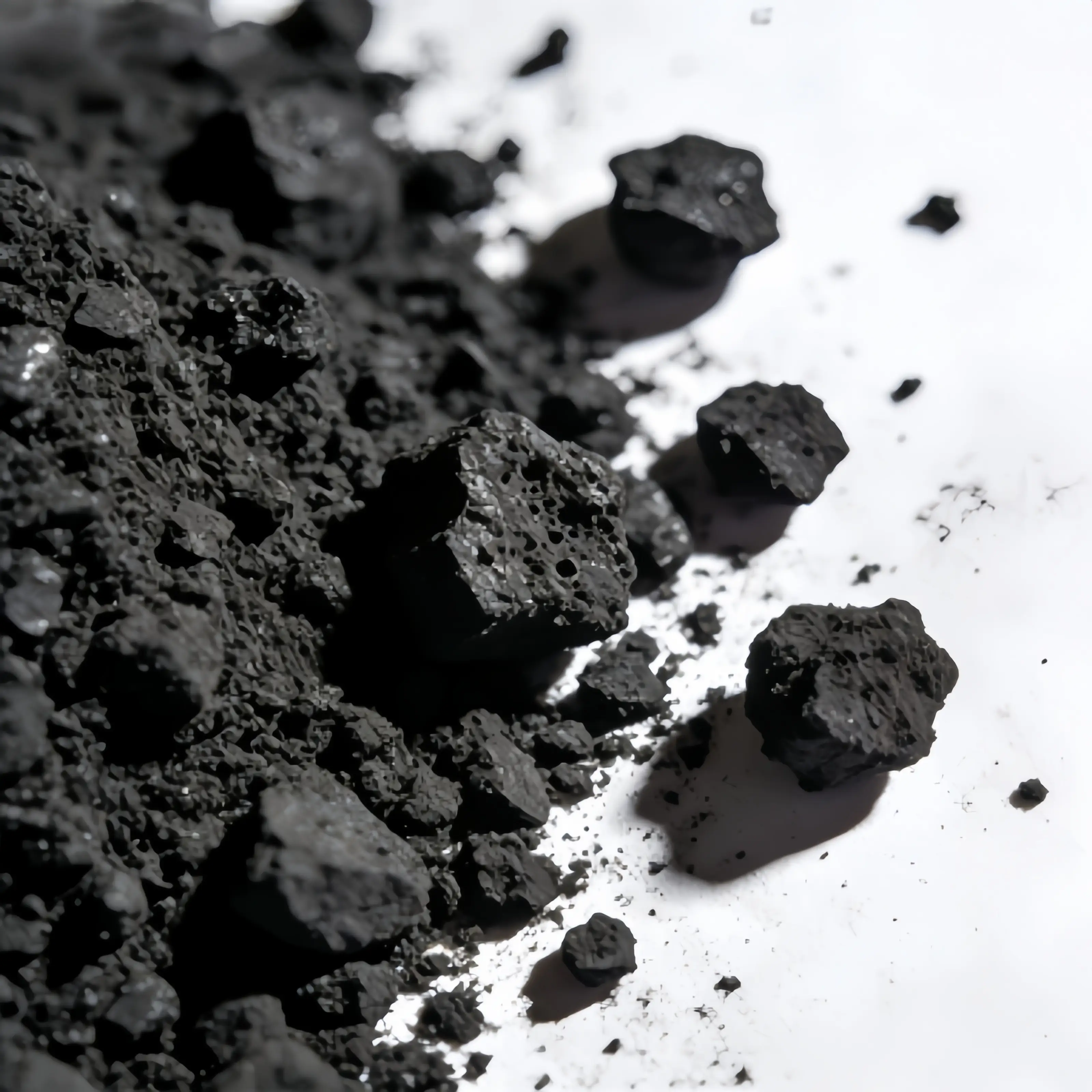
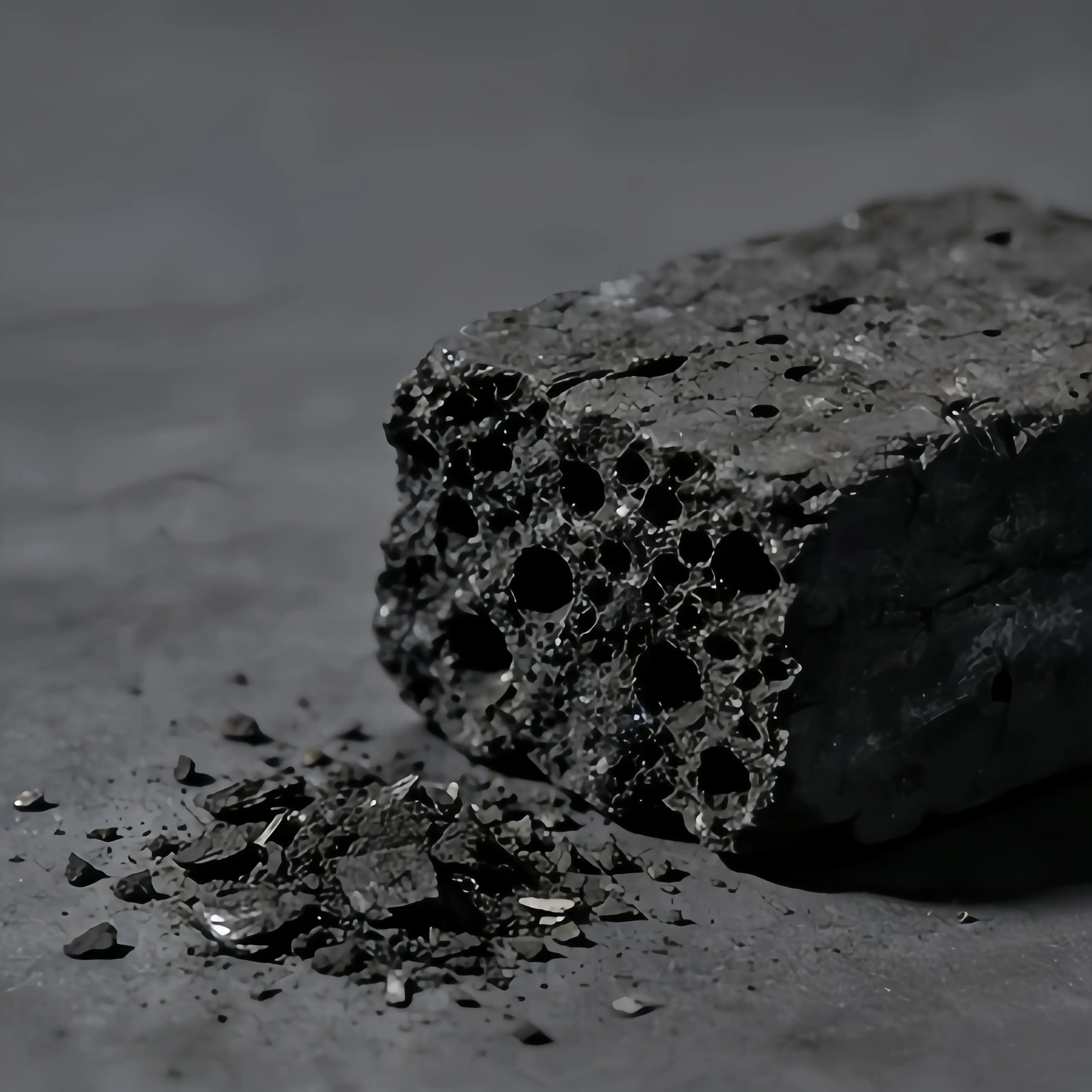
The powerful adsorption capacity of activated carbon stems from its unique pore structure. The surface area of one gram of high-quality activated carbon can reach an astonishing 500-1500 square meters—equivalent to the size of a standard basketball court! This characteristic of "maximized surface area" allows it to attract and capture impurities in water like a magnet.
The pores of activated carbon are divided into three categories:
-
Micropores: Diameter less than 2 nanometers, accounting for over 95% of the total surface area, responsible for adsorbing small-molecule pollutants.
-
Mesopores: Diameter 2-50 nanometers, helping larger molecules enter the interior.
-
Macropores: Diameter greater than 50 nanometers, serving as channels for molecule entry.
This graded pore structure forms a three-dimensional interception network, enabling activated carbon to handle pollutants of different sizes simultaneously.
1.2 Detailed Explanation of Adsorption Mechanisms
The purification effect of activated carbon is mainly achieved through the following mechanisms:
Physical Adsorption: Relying on van der Waals forces, weak electrostatic attraction forms between the surface of activated carbon and pollutant molecules. This method is particularly effective for removing residual chlorine, odors, and most organic compounds.
Chemical Adsorption: Some activated carbons are specially treated to contain chemical groups on their surface, enabling chemical reactions with specific pollutants. For example, silver-impregnated activated carbon can release silver ions to inhibit bacterial growth.
Catalytic Action: Activated carbon can act as a catalyst, promoting the decomposition reactions of certain pollutants. For instance, it can catalyze the decomposition of hydrogen peroxide in water or promote the breakdown of chloramines.
1.3 The "Past and Present" of Activated Carbon
The history of activated carbon can be traced back to ancient Egypt, where charcoal was used to purify water and preserve bodies. Modern activated carbon production technology began in the early 20th century, initially used in gas masks to adsorb toxic gases. After World War II, with increasing water pollution problems, activated carbon began to be widely used in the field of water treatment.
Today, global annual production of activated carbon exceeds 2 million tons, with about one-third used for water treatment, making it a crucial material for ensuring public drinking water safety.
Chapter 2: The Activated Carbon Family—Meet the Different Types of Water Purification "Experts"
2.1 Classified by Raw Material: Three Brothers, Each with Specialties
Coconut Shell Activated Carbon—The "Aristocrat" of Water Purification
Coconut shell activated carbon is made from coconut shells sourced from Southeast Asia, activated through high-temperature steam. Its most notable feature is its highly developed micropores, accounting for over 90% of the total pore volume, making it particularly suitable for adsorbing small-molecule organic compounds and residual chlorine in water.
Post-filtration carbon in household water purifiers often uses coconut shell activated carbon because it can effectively improve water taste, remove disinfection by-products, and ensure sweet-tasting output water. Laboratory tests show that high-quality coconut shell activated carbon can achieve over 99% removal of residual chlorine and 85%-95% removal of disinfection by-products like trihalomethanes.
Mineral Activated Carbon—The "Main Force" of Industrial Water Treatment
Activated carbon made from coal (such as anthracite or lignite) has lower costs and high mechanical strength, making it suitable for use in large-scale water treatment systems. Mineral activated carbon has a higher proportion of mesopores and is effective at removing color, large-molecule organic compounds, and certain heavy metals.
City water treatment plants and industrial wastewater treatment plants commonly use this type of activated carbon. A medium-sized water treatment system may consume tens of tons of mineral activated carbon annually to remove odors, color, and pesticide residues from water.
Activated Wood Charcoal—The "New Eco-Friendly Choice"
Sourced from wood from sustainably managed forests, activated wood charcoal has a lower carbon footprint during production. Its pore structure is uniform, and adsorption speed is relatively fast, making it particularly suitable for situations requiring rapid purification.
In recent years, with growing environmental awareness, the use of activated wood charcoal in high-end household water purifiers and the food and beverage industry has gradually increased. Some well-known bottled water brands use activated wood charcoal for final taste refinement.
2.2 Classified by Form: Adapted to Different Battlefields
Granular Activated Carbon (GAC)—The "Standard Soldier" of Water Treatment Systems
With particle sizes between 0.5-4mm, GAC is packed into filter tanks for use. The advantage of granular activated carbon is that it can be regenerated through backwashing, leading to a longer service life. Most central water purification systems and commercial water dispensers use this form of activated carbon.
Powdered Activated Carbon (PAC)—The "Rapid Reaction Force" for Emergency Treatment
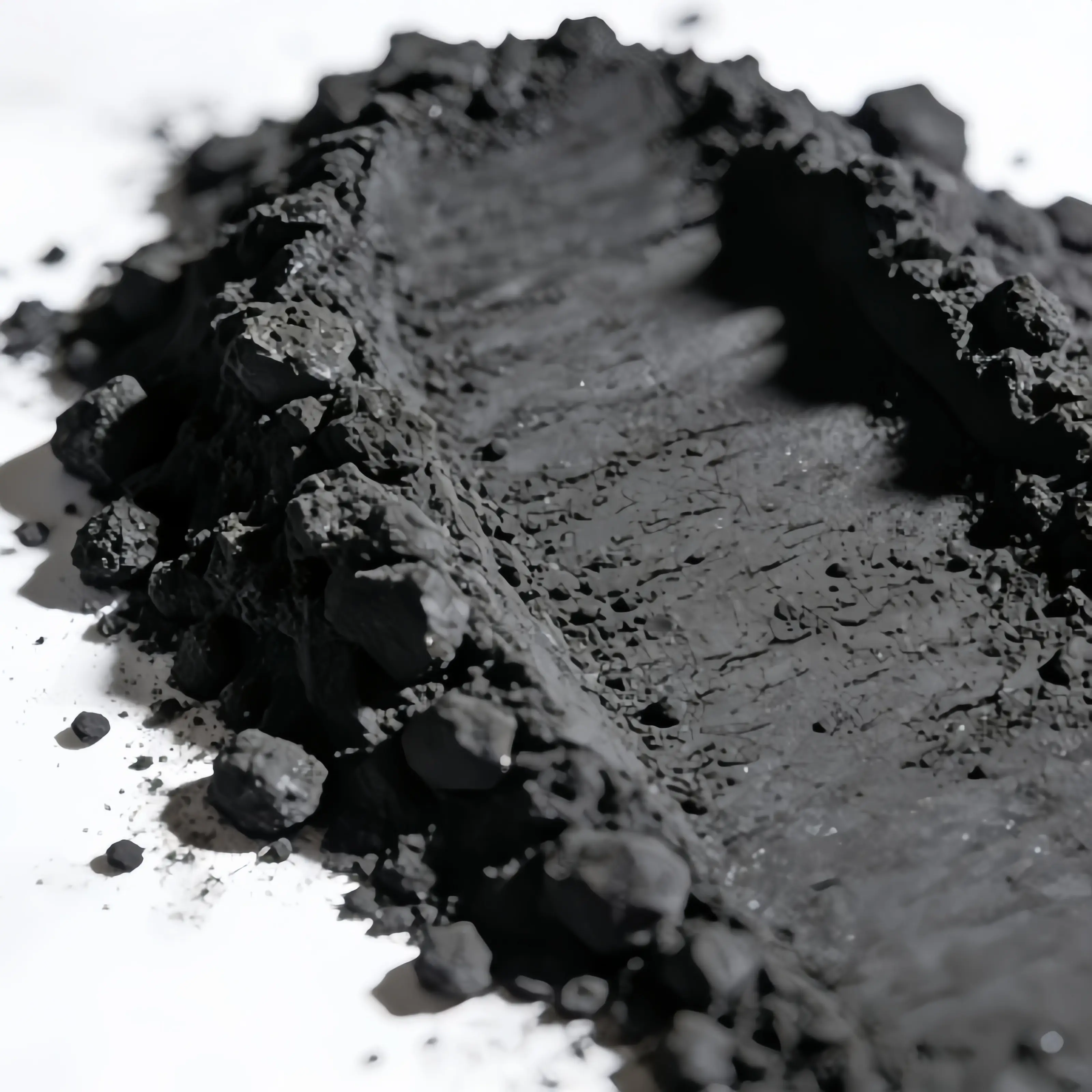
With particle sizes less than 0.18mm, PAC has the largest surface area and fastest adsorption speed. Powdered activated carbon is typically used as a pre-treatment agent and plays a crucial role in sudden water pollution incidents. For example, during a benzene contamination event in a city's water source in 2014, the water authority successfully controlled pollution spread by adding powdered activated carbon to the water intake.
Carbon Block Activated Carbon—The "Integrated Expert" for Household Water Purification
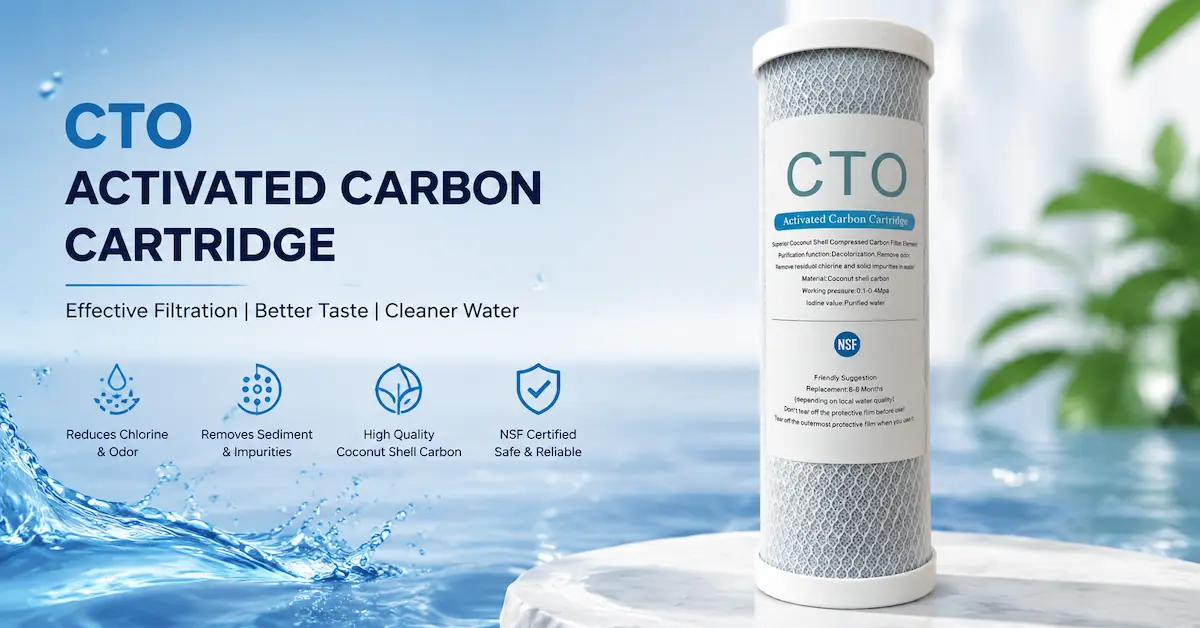
Formed by compressing powdered activated carbon with food-grade binders into a fixed filtration structure. The biggest advantage of carbon block activated carbon is that it almost eliminates carbon fines leakage and ensures even water flow distribution, making it the mainstream form for household water purifier filter cartridges. A high-quality carbon block filter cartridge can process approximately 6,000 liters of water, meeting the drinking water needs of a family of four for about six months.
2.3 Special Functional Activated Carbons—The "Special Forces" for Specific Problems
Silver-Impregnated Activated Carbon: By impregnating nano-silver particles, this activated carbon not only adsorbs pollutants but also inhibits bacterial growth inside the filter cartridge. It is particularly suitable for treating water stored for long periods or used in hot and humid environments.
Catalytic Activated Carbon: With specially treated surfaces, it can catalyze the decomposition of oxidants like hydrogen peroxide and ozone in water. Catalytic activated carbon plays a key role in advanced oxidation water treatment processes.
Ion-Selective Activated Carbon: Through surface chemical modification, the activated carbon gains selective adsorption for specific ions. For example, fluoride removal activated carbon developed for high-fluoride areas has 3-5 times the adsorption capacity for fluoride ions compared to traditional activated carbon.
Chapter 3: Activated Carbon in Action—Practical Applications in Water Purification Systems
3.1 Household Water Purification Systems: From Entry Point to Direct Drinking
Activated Carbon in Pre-Filtration
Modern whole-house water purification systems typically install granular activated carbon filters on the main pipeline as the first line of defense. This "coarse filtration" stage mainly removes residual chlorine, odors, and larger organic particles from the water, protecting subsequent equipment and pipes. A standard 10-inch activated carbon filter cartridge can process 30-50 tons of water, sufficient for an average household for 6-12 months.
The Core in Kitchen Water Dispensers
Household water dispensers usually employ a multi-stage filtration design, where the activated carbon filter cartridge plays a key role:
-
First-stage activated carbon: Adsorbs residual chlorine and odors, protecting the subsequent RO membrane.
-
Second-stage compressed activated carbon: Deeply removes organic pollutants and improves taste.
-
Post-activated carbon (if present): Further optimizes water taste.
Convenient Purification with Water Filter Pitchers
Portable water filter pitchers mostly use composite filter cartridges containing carbon block activated carbon, which can improve water quality within minutes. Although their processing capacity is limited, they are effective at removing residual chlorine and improving taste, making them ideal for renters or travelers.
3.2 Commercial and Public Water Treatment: Large-Scale Safety Assurance
Bottled Water and Beverage Industry
High-end bottled water brands commonly use activated carbon for final treatment to ensure clear water and consistent taste. A medium-sized bottled water plant might consume 2-3 tons of granular activated carbon monthly to treat groundwater or municipal tap water.
Water Quality Assurance in the Food Service Industry
Chain restaurants are increasingly focusing on water quality. Coffee shops using activated carbon filtered water can enhance coffee flavor; restaurants using activated carbon treated water ensure that soups and dishes are not affected by chlorine taste.
Public Drinking Water Systems
Public water dispensers in airports, stations, and schools are mostly equipped with activated carbon filter cartridges. These systems require regular monitoring and maintenance to ensure water safety. A well-maintained public drinking water system typically requires replacement of its activated carbon filter cartridge every 3-6 months.
3.3 Industrial Water Treatment: Professional Solutions for Special Needs
High-Purity Water in the Pharmaceutical Industry
Pharmaceutical water requires extremely high standards, with activated carbon playing a crucial pre-treatment role by removing organic compounds and residual chlorine from water, protecting expensive ion exchange resins and reverse osmosis membranes. Activated carbon systems in pharmaceutical plants are usually equipped with automatic monitoring devices to track adsorption capacity changes in real-time.
Ultrapure Water in the Electronics Industry
Chip manufacturing requires ultrapure water, as any trace organic matter can affect product yield. Water treatment systems in electronics factories employ multi-stage activated carbon filtration to ensure very low levels of organic compounds in water entering the RO and EDI systems.
Food and Beverage Processing
Breweries use activated carbon to treat brewing water, removing chlorine and impurities that affect fermentation; juice factories use activated carbon for decolorization and odor removal; these applications have special requirements for activated carbon quality.
Chapter 4: Smart Selection and Scientific Maintenance—Maximizing the Value of Activated Carbon
4.1 How to Choose the Right Activated Carbon?
Step One: Understand Your Water Quality
Before selecting activated carbon, conduct water quality testing to identify the main types of pollutants. Different activated carbons have selectivity for different pollutants:
-
Water high in chlorine: Choose coconut shell activated carbon with well-developed micropores.
-
Water with color: Choose mineral activated carbon with a higher proportion of mesopores.
-
Water with odors: Choose powdered activated carbon with a large surface area.
Step Two: Consider the Usage Scenario
-
Household use: Prioritize safety, convenience, and replacement cycle.
-
Commercial use: Emphasize processing capacity, stability, and operating costs.
-
Industrial use: Focus on professional performance, durability, and system compatibility.
Step Three: Evaluate Cost-Effectiveness
The price of activated carbon varies greatly, from a few yuan to tens of yuan per kilogram. When choosing, don't just look at the unit price; consider:
-
Adsorption capacity: How much water can be processed per kilogram of activated carbon.
-
Service life: Replacement frequency and maintenance costs.
-
Comprehensive effect: Whether it meets all water quality requirements.
4.2 Precautions for Installation and Use
Correct Installation is Key
Activated carbon filter cartridges usually have clear directional indicators; installing them backwards can significantly reduce effectiveness. After installing a household filter cartridge, flush it with water for 10-15 minutes initially to wash away initial carbon fines.
Avoid "Channeling"
When packing granular activated carbon into a filter tank, ensure even filling to prevent water from flowing through only part of the bed, causing localized premature saturation.
Control the Appropriate Flow Rate
Each type of activated carbon has an optimal working flow rate. Too fast a flow reduces contact time and adsorption effectiveness; too slow affects water output. The recommended flow rate for granular activated carbon is generally 5-15 meters per hour.
4.3 Lifecycle Management of Activated Carbon
Monitoring Replacement Timing
Activated carbon doesn't fail suddenly; its adsorption capacity gradually declines. Determine the replacement time through the following methods:
-
Time-based method: Replace according to the recommended cycle (e.g., 6-12 months for household cartridges).
-
Water volume method: Replace based on processed water volume (e.g., per ton of water).
-
Testing method: Test output water for residual chlorine or TOC values.
-
Sensory method: Pay attention to changes in water taste.
Correct Backwashing Operation
Granular activated carbon systems require regular backwashing to remove suspended solids trapped on the surface and restore water flow channels. Pay attention during backwashing:
-
Use clean water to avoid secondary contamination.
-
Control backwashing intensity: enough to flush away impurities but not carry away the activated carbon.
-
Allow appropriate stabilization time after backwashing.
Regeneration and Disposal
Saturated activated carbon can have some activity restored through thermal regeneration, but this is difficult for household users. Industrial users can commission professional companies for regeneration, reducing costs by about 30-50%. Waste activated carbon that cannot be regenerated should be properly disposed of according to solid waste management regulations to avoid secondary pollution.
4.4 Common Misconceptions and Professional Advice
Misconception One: Activated carbon can remove all pollutants.
Fact: Activated carbon has limited effectiveness against heavy metals, hardness (calcium and magnesium ions), nitrates, fluorides, etc., and needs to be combined with other technologies.
Misconception Two: Activated carbon lasts forever.
Fact: All activated carbon becomes saturated and must be replaced regularly. Long-unreplaced activated carbon can become a breeding ground for bacteria.
Misconception Three: The more expensive the activated carbon, the better.
Fact: What's suitable is best. Simple chlorine removal doesn't require the most expensive coconut shell activated carbon, while high-end applications shouldn't use low-quality activated carbon.
Professional Advice: Maintain a Maintenance Log
Whether for household or commercial use, it's advisable to keep records of:
-
Installation date and initial water quality data.
-
Water volume processed or usage time.
-
Regular test results of output water quality.
-
Replacement and maintenance records.
Such a log not only ensures water safety but also optimizes replacement cycles and reduces costs.
Chapter 5: Future Outlook—Innovation Directions in Activated Carbon Technology
5.1 Breakthroughs in Materials Science
The Rise of Biomass Activated Carbon
Researchers are developing activated carbon from agricultural waste (like rice husks, nut shells, straw), which can reduce costs and achieve resource recycling. Preliminary studies show that some biomass activated carbons have even better adsorption capacities for specific pollutants (like pesticides) than traditional materials.
Nanostructured Activated Carbon
Using nanotechnology to control the pore structure of activated carbon can create "customized" adsorption materials for specific molecules. For example, nano-activated carbon targeting pharmaceutical residues is already in the experimental stage.
Development of Composite Materials
Combining activated carbon with other materials (like graphene, metal-organic frameworks) can create composite materials with stronger adsorption properties and multiple functions. These materials may play a significant role in advanced water purification in the future.
5.2 Intelligent Management
Internet of Things (IoT) + Activated Carbon
Smart filter cartridges with built-in sensors can monitor adsorption status in real-time and remind users to replace them via mobile apps. Some high-end commercial systems already have this feature.
Predictive Maintenance Systems
Based on big data and machine learning, systems can analyze water quality change trends, processed water volume, and usage time to accurately predict the remaining lifespan of activated carbon and optimize replacement schedules.
5.3 Green Circular Economy
Advancements in Regeneration Technology
New microwave regeneration and chemical regeneration technologies are being developed, promising higher regeneration efficiency and lower energy consumption for activated carbon.
Full Lifecycle Management
Increasing importance is being placed on the full lifecycle management of activated carbon—from production and use to regeneration and disposal. Future activated carbon products may have "carbon footprint" labels to help users make environmentally friendly choices.
Conclusion: Activated Carbon—The Enduring Classic and Innovative Frontier in Water Treatment
Activated carbon, a material used for centuries, still brims with vitality in today's water treatment field. It is both an enduring classic—its basic principles remain timeless—and an innovative frontier, with new materials and technologies constantly emerging.
For ordinary consumers, understanding the basics of activated carbon can help you make more informed choices about water purification equipment, establish scientific filter replacement habits, and ensure your family's drinking water safety. For industry professionals, staying updated on the latest developments in activated carbon can optimize water treatment processes, improve efficiency, and reduce costs.
In this era where water safety is increasingly emphasized, activated carbon, as the final physical barrier connecting water sources to users, is of undeniable importance. Choosing the right activated carbon, using and maintaining it correctly, allows this "black gold" to truly become a guardian of your and your family's health.
The path to clean water starts with understanding activated carbon; a healthy life begins with every glass of clean water.