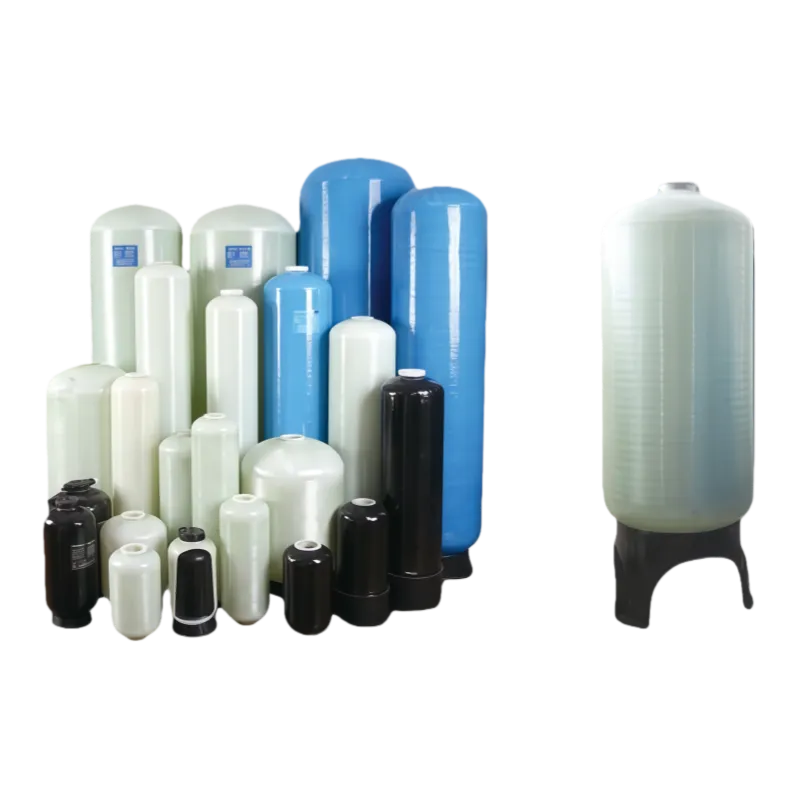


Part 1: Why do some water filters leak after installation?
In B2B water filter procurement, there is a set of questions that gets asked almost every time:
"Do you have NSF certification?"
"What is the treated water capacity?"
"What material is the filter cartridge? Is it fully filled?"
"How thick is the filter housing? Is it explosion-proof?"
"Is your price competitive?"
These are all very professional questions and important dimensions for evaluating water filter quality. As a manufacturer, we answer these questions carefully every day.
But there is one phenomenon worth noting: some customers, after thorough inquiry and comparison, choose a unit with excellent specifications. When the goods arrive, are installed, and the water is turned on — they find a leak.
Water seeps out from the gap between the housing and the cap. In mild cases, it affects the user experience. In severe cases, it may prevent the unit from operating properly or even cause property damage.
The customer is often confused: "I asked so many key questions — why is this still happening?"
The reason is actually quite simple: the routine questions cover the big parts, but leaks often come from the small ones.
The cartridge isn't leaking. The housing isn't cracked. The tubing is fine. The leak may come from a small rubber ring called an O-ring. Or a groove dimension issue that is hard to see with the naked eye. Or a roundness problem with the housing itself.
The purpose of this article is to objectively present these easily overlooked details that can affect an entire system when problems arise. We hope to provide a valuable reference for B2B buyers during supplier selection and inspection.
Part 2: Meeting the standards — and going beyond
Before discussing those easily overlooked details, let's first acknowledge: the routine questions buyers ask are indeed very important. A responsible manufacturer should not only meet these basic requirements but also excel on key indicators.
1. Certification: Whole-system NSF vs. component NSF
When a supplier says "we have NSF certification," it is worth asking one more question: Is it whole-system certification, or just certain components?
Whole-system NSF certification means the complete unit was sent to an accredited lab and underwent tens of thousands of water hammer tests, static pressure tests, material extraction analyses, and other rigorous evaluations. It takes time, costs significant money, and very few manufacturers worldwide can pass it. Component-level NSF certification, by contrast, simply means a raw material supplier claims compliance with certain standards — there is a notable difference in credibility.
Several series of our water filters have passed whole-system NSF certification. In addition, all of our water-contact materials — including housings, seals, tubing, and fittings — are sourced from suppliers that hold NSF certification.
For customers looking for a "whole-system NSF certified water filter," this is worth knowing.
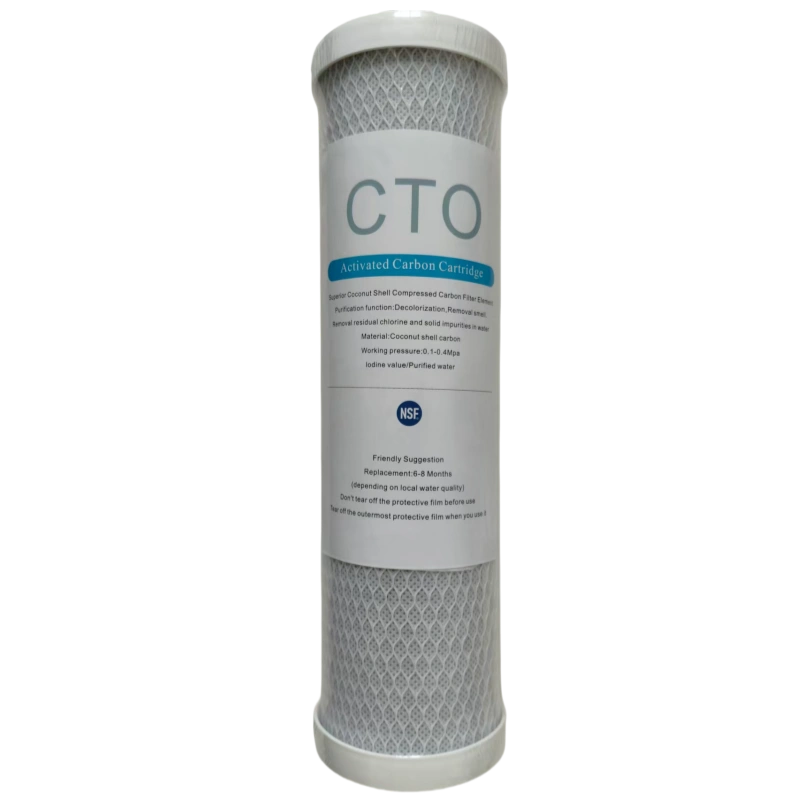
2. Filter cartridge: Coconut shell carbon and full fill
The material and fill weight of the filter cartridge directly affect filtration performance and service life.
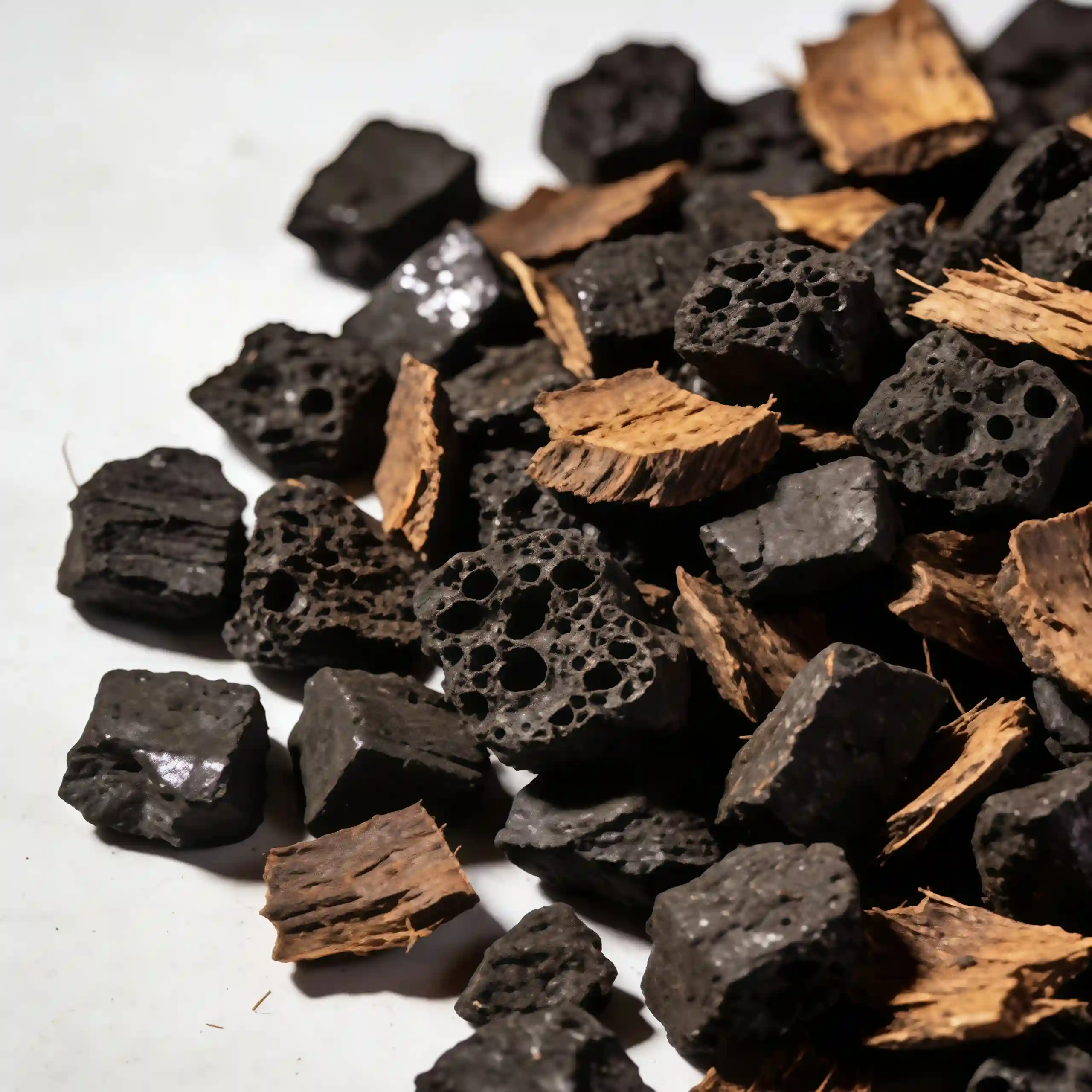
We use coconut shell activated carbon with an iodine value of 1,000mg/g or higher, offering superior adsorption performance compared to ordinary coal-based carbon. In terms of fill weight, we strictly follow design specifications and never cut corners. A same-size cartridge from us has a noticeably solid feel in the hand.
This is why many B2B customers searching for "high-fill coconut shell carbon cartridge" pay attention to how suppliers perform on these details.
3. Housing: Thick-wall design and explosion-proof considerations
In commercial and industrial applications, water filters face real-world conditions such as water hammer shocks and pressure fluctuations. The wall thickness of the housing directly affects the safety and durability of the unit.
Our housings feature a thick-wall design and have passed static burst pressure tests. "Explosion-proof thick-wall housing" is an important indicator worth paying attention to in B2B procurement.
4. Price: Fair pricing without compromising quality
We do not pursue the lowest price, because excessive cost cutting often means compromises in places you cannot see — and that is often where leak risks originate. At the same time, we do not set inflated prices. Our positioning is: provide competitive and fair pricing while ensuring quality.
Part 3: Easily overlooked critical details — big lessons from small parts
What we have discussed above are the aspects that typically come up in routine procurement. Next, we share some insights gained from industry experience — details that may not appear on a standard inquiry checklist but are very critical in actual use.
These details are precisely the important differentiators between professional manufacturers and ordinary assemblers.
3.1 The O-ring: Small in size, big in responsibility
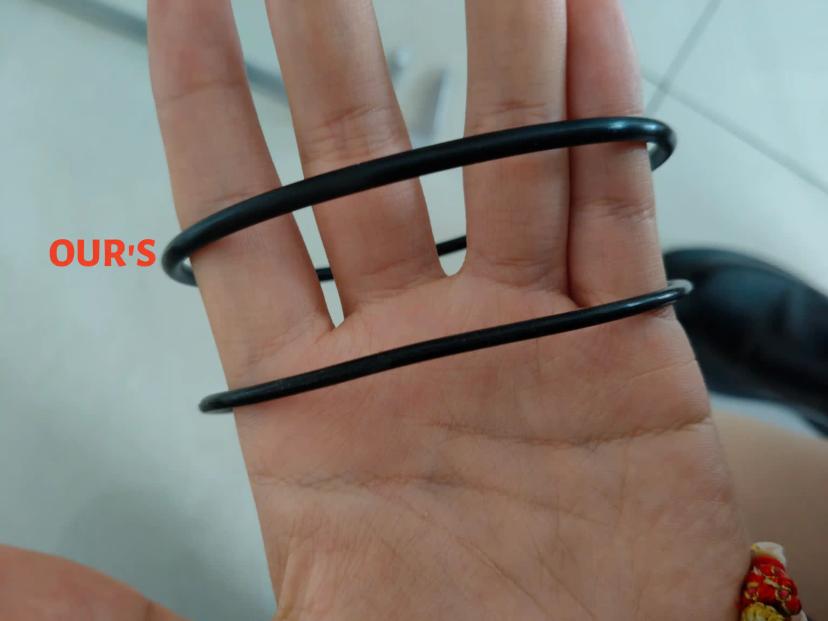
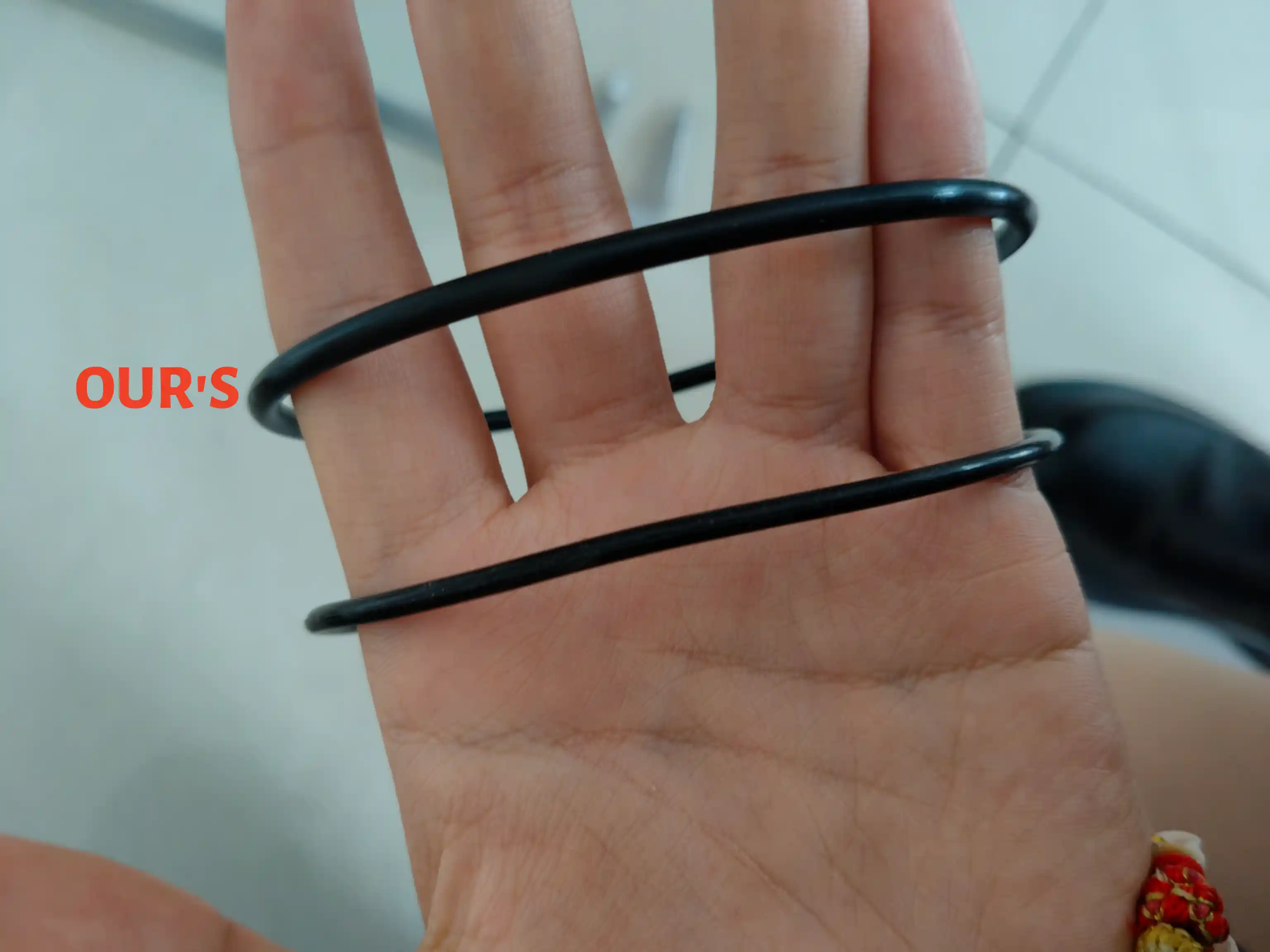
The O-ring is a sealing component installed between the housing and the cap. Its cost is low, but it plays a decisive role in the sealing performance of the entire unit.
(1) Material choice: Silicone vs. ordinary rubber
Under cost control pressure, some manufacturers choose ordinary nitrile rubber (NBR), low-grade EPDM, or even recycled compounds. These materials may face the following issues in actual use:
-
Hardness deviation: too hard may cause poor sealing; too soft may be extruded under high pressure
-
Compression set: after long-term pressure, elasticity is lost and sealing function cannot be restored
-
Insufficient hydrolysis resistance: may harden or crack after prolonged water exposure
We use food-grade silicone. Silicone offers excellent elasticity, low compression set, good aging and hydrolysis resistance, and meets NSF/FDA requirements for drinking water contact materials.
For B2B buyers, understanding the material of the O-ring is a detail worth paying attention to. This is why "food-grade silicone seal" is a meaningful search keyword.
(2) Seal structure: Single seal vs. double seal
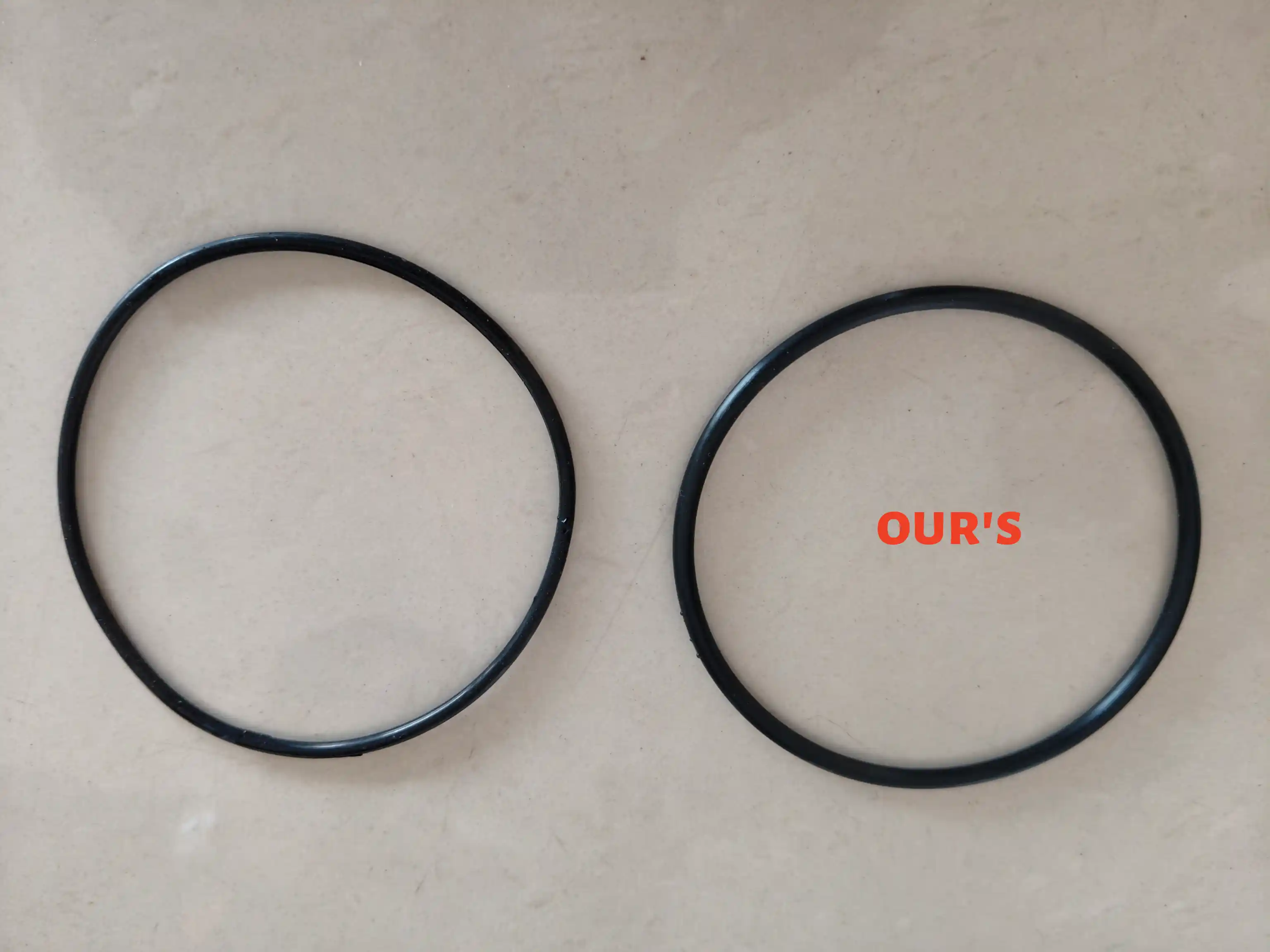
For cost reasons, some housings are designed with only one O-ring as the sole sealing barrier. From an engineering redundancy perspective, this design carries some risk — if that single seal shifts or gets damaged during shipping, installation, or a water hammer event, leakage may occur.
Our design uses a double-seal structure: two independent O-rings between the housing and the cap, creating redundant sealing. Even if the first seal experiences a minor leak in an extreme situation, the second seal can still function and keep the unit running properly.
"Double leak-proof design" or "redundant sealing system" is an important reference dimension for evaluating long-term reliability of water filters.
(3) Machining precision of the O-ring groove
Even with high-quality silicone material and a double-seal structure, if the groove that holds the O-ring is not machined with sufficient precision, sealing performance can still be affected.
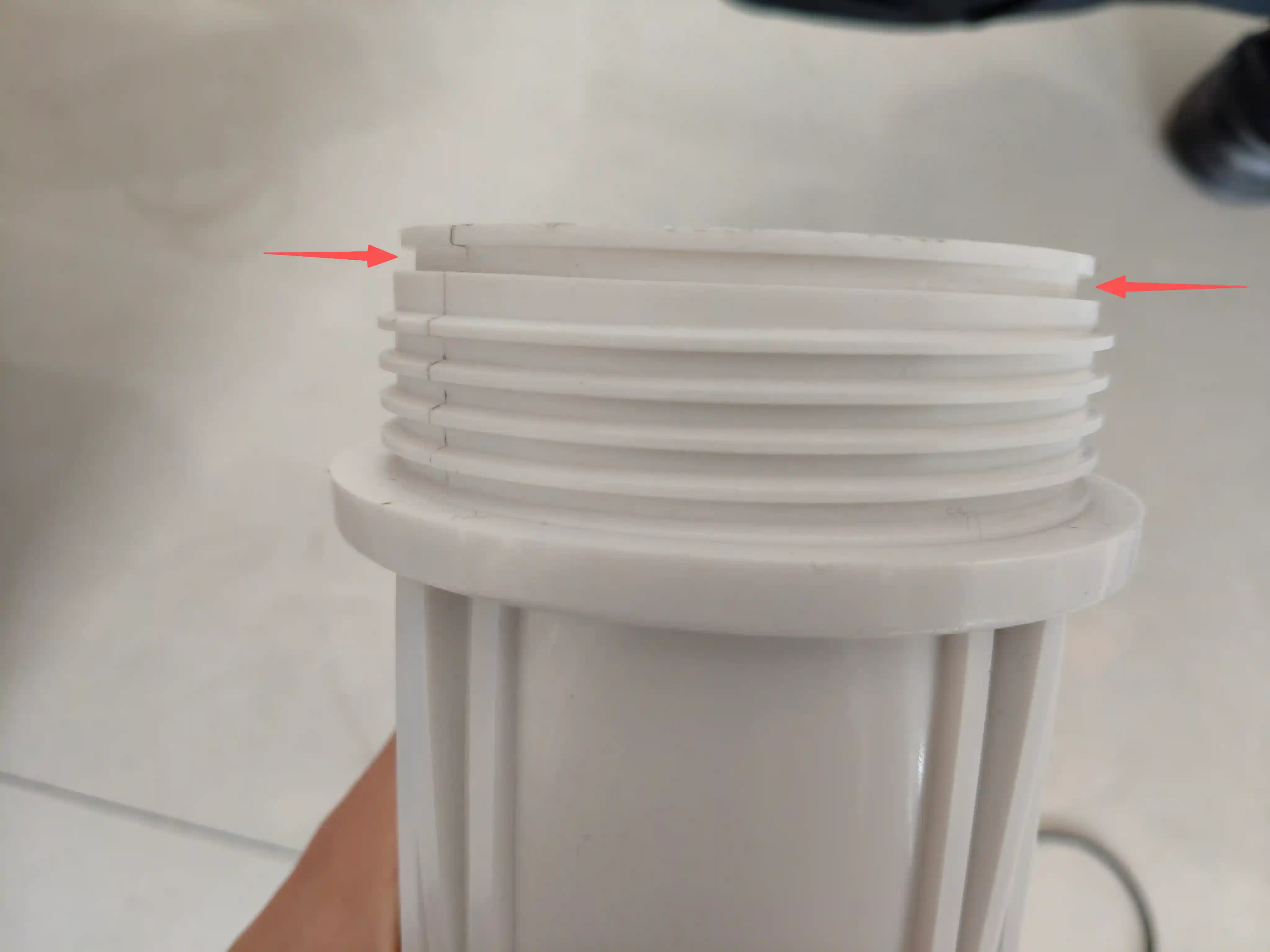
The width, depth, and roundness of the groove need to match the cross-section diameter of the O-ring. If the groove dimensions are not appropriate, the O-ring may be over-compressed during tightening, leading to local damage or loss of elasticity, ultimately affecting the seal.
Therefore, the precision of the groove directly affects sealing reliability. Experienced manufacturers pay close attention to this. This corresponds to capabilities such as "precision-injected filter cap" and "O-ring groove dimension inspection."
3.2 Manufacturing precision of the housing and cap
If the O-ring is the "soft tissue" of the seal, then the housing and cap are the "skeleton." The precision of the skeleton is equally critical.
(1) Wall thickness uniformity and warpage
In the injection molding process, if the wall thickness of the filter cap is not uniform (for example, thick at both ends and thin in the middle, or the reverse), different areas will cool at different rates during cooling, creating residual stress inside and causing the cap to warp — the four corners no longer lie in the same plane.
A warped cap, even with a perfectly good O-ring, may leave a tiny gap on the raised side. When water pressure is applied, water may seep through that gap.
"Anti-warping design" and "uniform wall thickness" are basic requirements for professional manufacturers in mold design and process control.
(2) Roundness of the housing
This may sound unlikely, but it does exist in the industry: some manufacturers produce housings that are not perfectly round — they are closer to an oval. Causes may include mold deformation, unstable injection pressure, or unbalanced ejection systems.
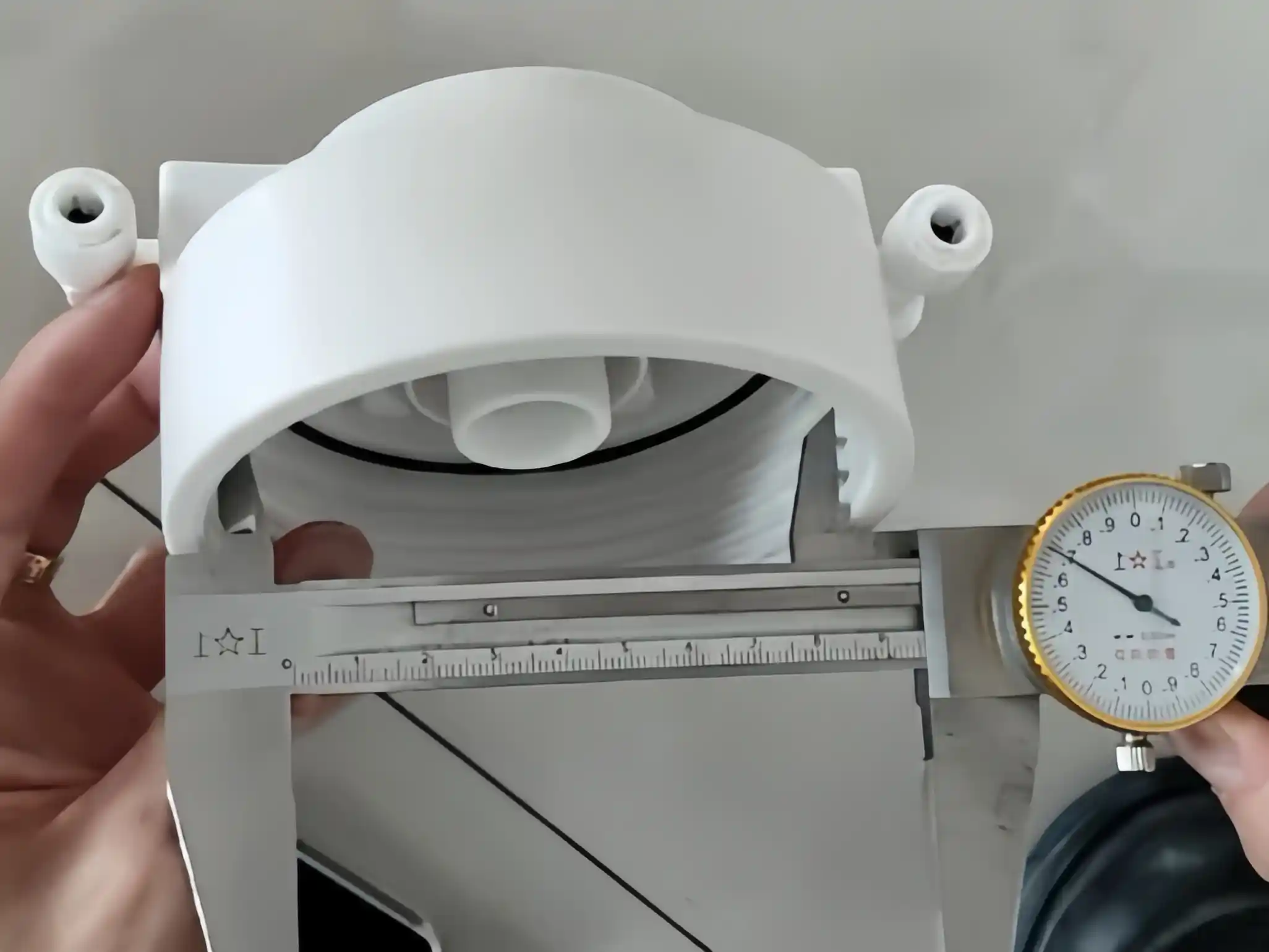
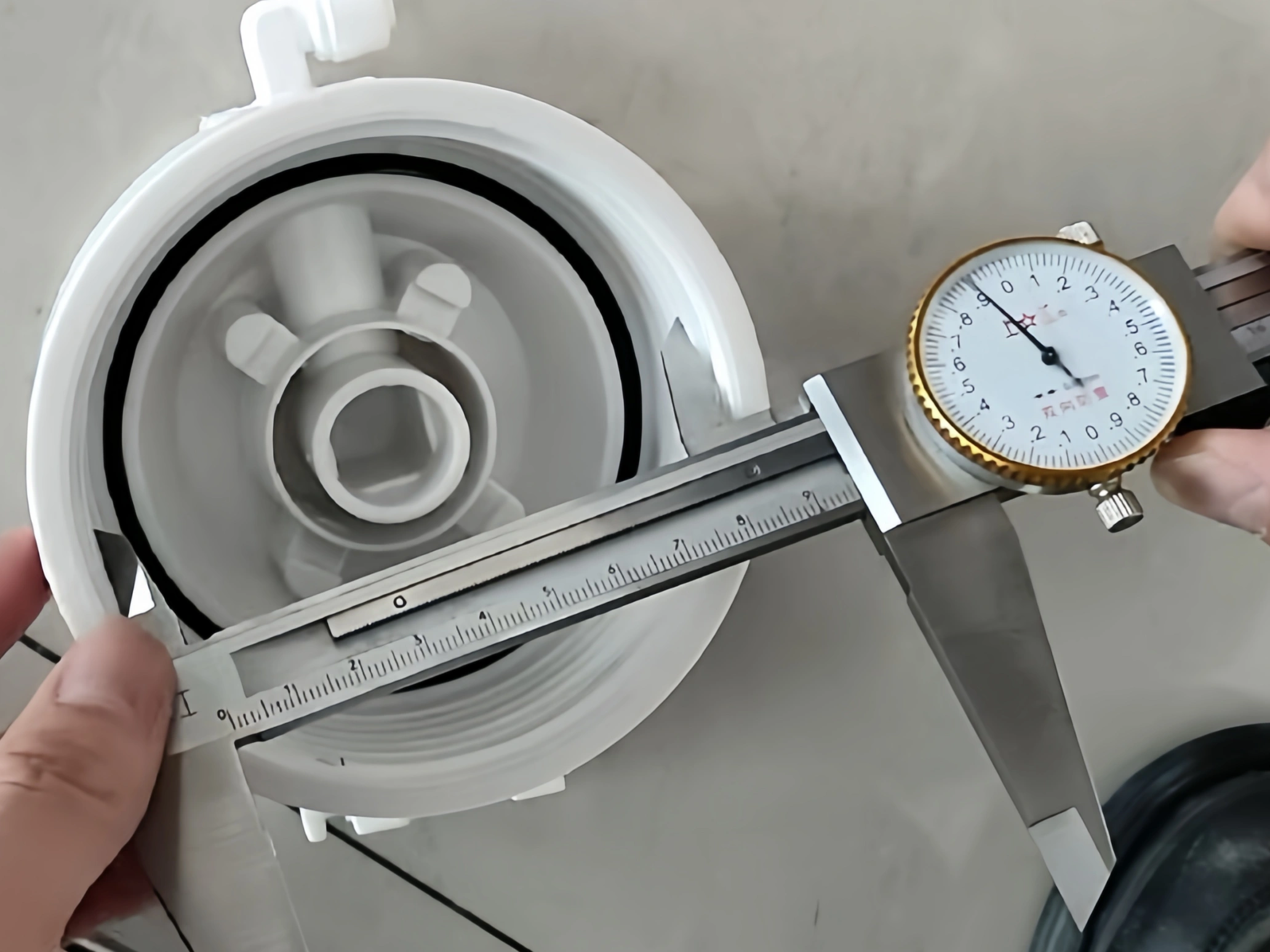
An oval housing, when mated with a round cap, will inevitably have larger gaps in some directions and tighter fits in others. Gaps may cause leaks; tight fits may crack the housing.
Therefore, qualified housings should have roundness controlled to ensure that diameter deviations in all directions are within a reasonable range. This is the core capability referred to by keywords such as "high-roundness filter housing" and "precision-injected filter body."
Part 4: Our approach — attention to every detail
These details we have shared are not just theoretical. They are the focus of our daily attention on the production line.
-
O-ring: We use food-grade silicone and pay attention to batch-to-batch quality consistency
-
O-ring groove: We focus on mold precision and injection process control to ensure proper groove dimensions
-
Housing roundness: We pay attention to roundness control to avoid ovality issues
-
Cap wall thickness: We use uniform wall thickness design to prevent warpage
-
Raw material traceability: All water-contact materials are traceable, and suppliers must provide relevant certificates
We are willing to openly share these details because we believe: professional capability stands up to scrutiny and discussion. In this industry, the real "big lessons" are often hidden in these seemingly minor parts and processes.
In addition, the following keywords are commonly used by B2B buyers searching for high-quality water filter suppliers, for your reference:
-
Whole-system NSF certified water filter
-
Commercial water filter leak-proof design
-
Food-grade silicone seal
-
Double-seal filter housing
-
High-fill coconut shell carbon cartridge
-
Explosion-proof thick-wall housing
-
Precision-injection water filter parts
-
Industrial-grade O-ring compression ratio
-
Filter housing roundness inspection
-
B2B water filter OEM sealing solution
Part 5: Conclusion — Expertise shows in the details
The structure of a water filter is not complex. But it is those easily overlooked small parts and process details that determine whether a unit will run stably for years or leak the first time water is turned on.
As a professional B2B water filter manufacturer, we have always believed that quality is not just a slogan. It is built, one O-ring material choice, one groove precision control, one housing roundness check at a time.
If you are looking for a water filter partner who pays attention to details and is willing to openly discuss process standards, we welcome your inquiry.
We do not chase the lowest price. What we pursue is a product that does not leak, does not cause trouble, and gives our customers peace of mind.
Because in the B2B world, what customers truly need is not the cheapest equipment, but a partner they can trust for the long term.
*This blog content is original and protected by copyright. No individual or entity may reproduce, distribute, excerpt, or otherwise use the content in any form without prior written permission. For republication requests, please contact the author and provide proper attribution.