

In dental procedures, the water spray from high-speed handpieces directly contacts patient wounds, making water purity critical to infection control success.
If dental unit waterlines directly use tap water, calcium and magnesium ions in the water can easily form scale, clogging the intricate channels of high-speed handpieces and ultrasonic scalers. More seriously, mineral deposits promote biofilm growth, increasing cross-contamination risks.
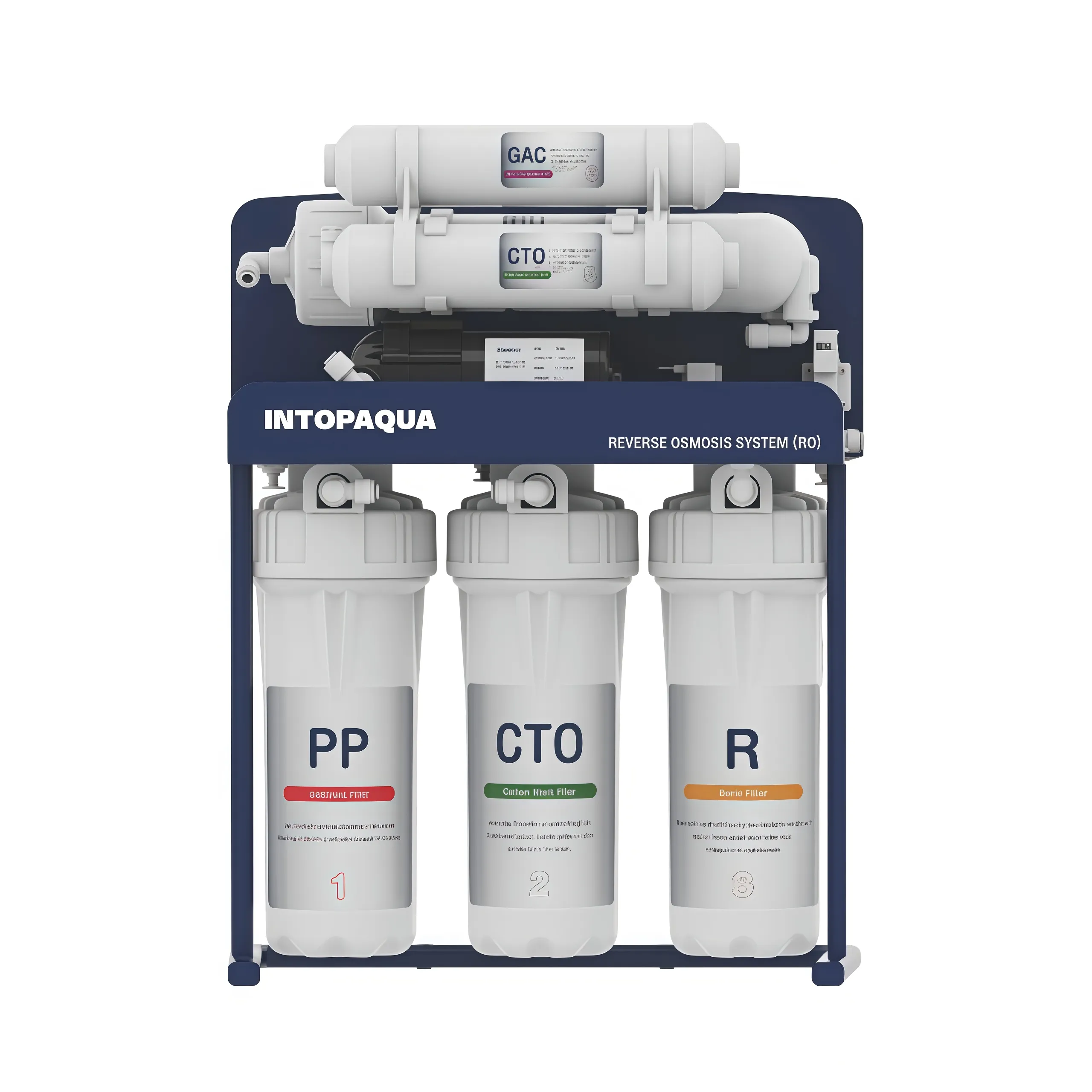
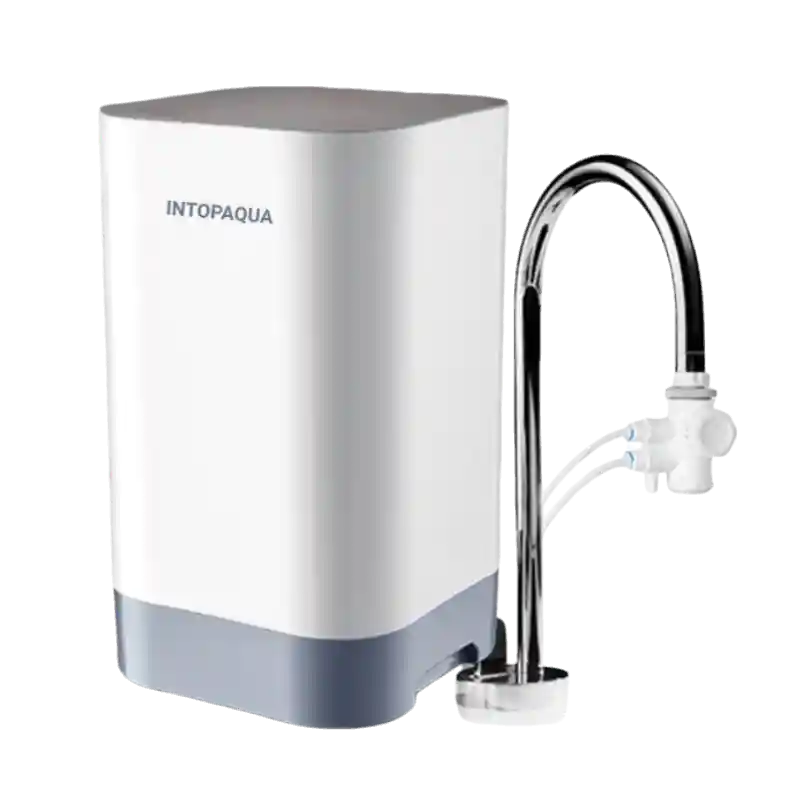
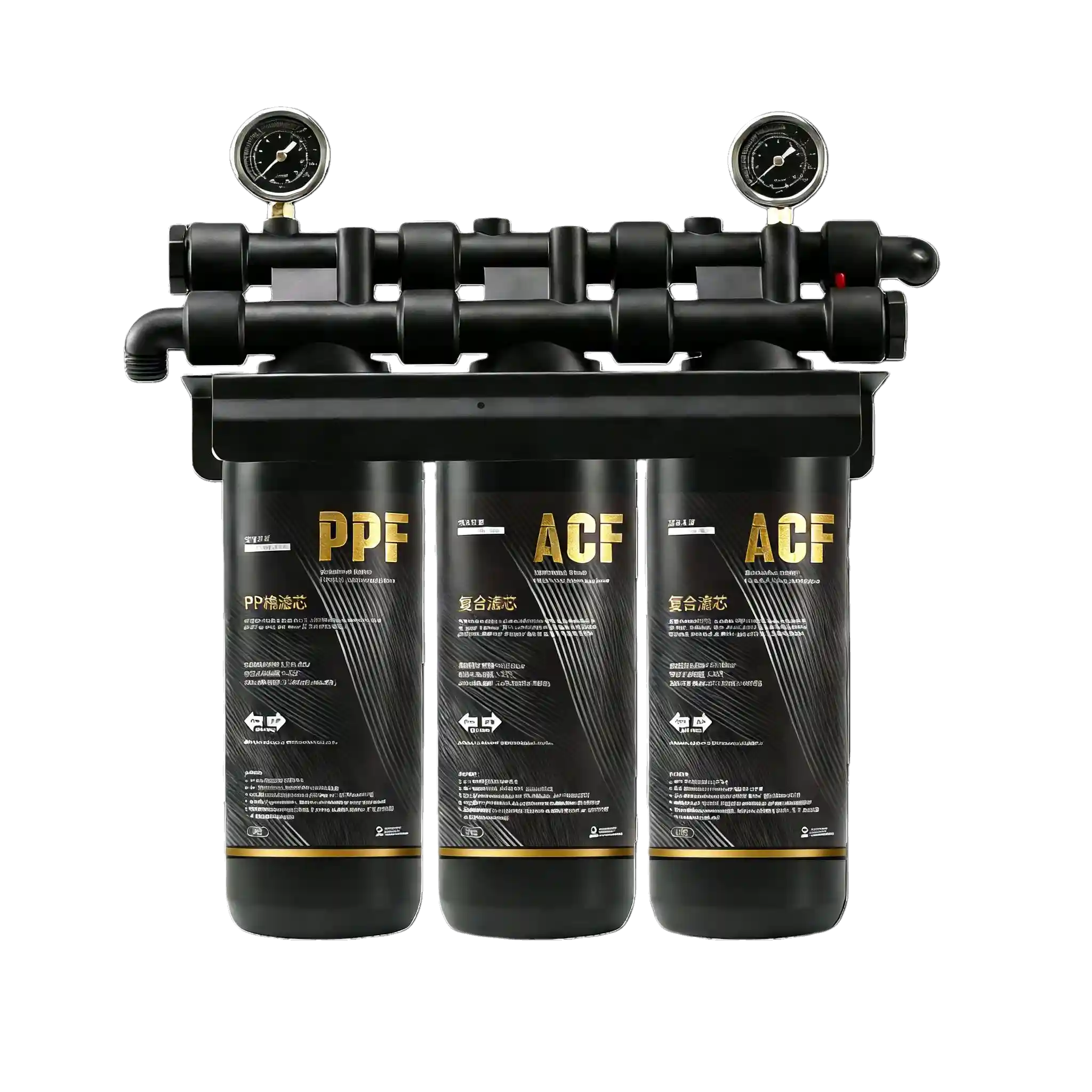
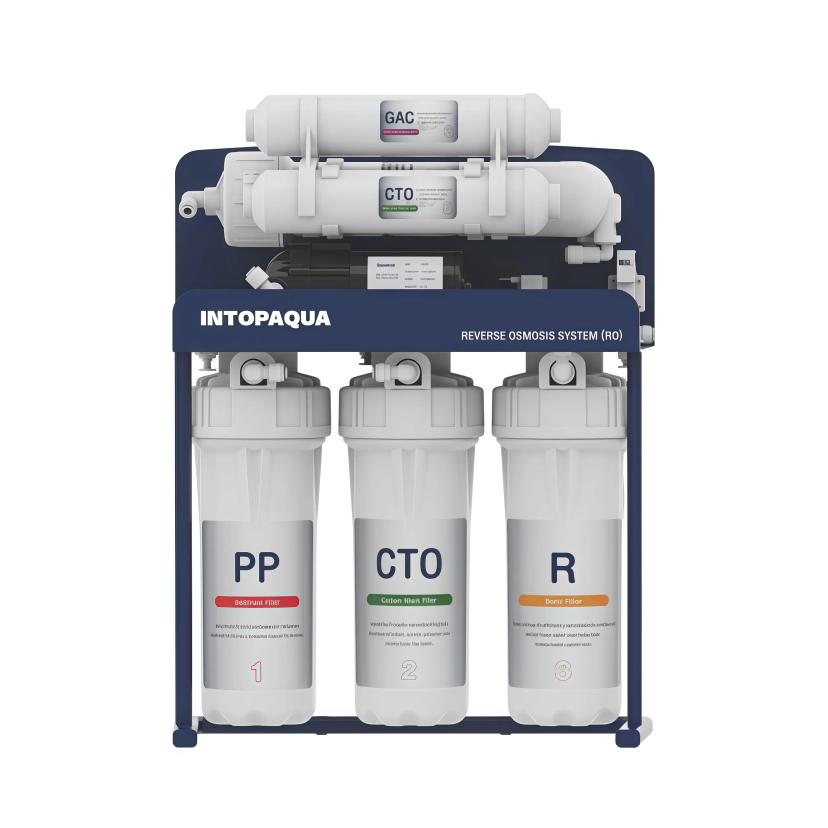
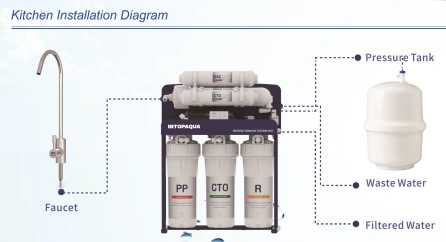
The six-stage non-electric RO water purification system addresses water hardness issues comprehensively through multi-stage filtration, particularly the ion exchange technology of the resin filter, providing dental clinics with a consistent, safe source of pure water.
Resin Filter: The Core of Scale Prevention in Dental Equipment
As the first pre-treatment barrier in the six-stage RO system, the resin filter precisely removes calcium and magnesium ions through an ion exchange mechanism. The filled sulfonated polystyrene resin particles release sodium or hydrogen ions upon contact with water, exchanging them for calcium and magnesium ions in the water, thus preventing calcium carbonate deposition at its source.
After treatment by the resin filter, output water hardness can be reduced to <1 mg/L, far below the <5 mg/L standard recommended by dental equipment manufacturers. This significantly reduces the risk of clogging in the three-way syringe and implant drill cooling channels, ensuring stable water flow during procedures.
Clinical data show that water pre-treated with resin filters can extend the lifespan of ultrasonic scaler transducers by 2.3 times and reduce the annual maintenance cost of dental unit chairs by 42%.
Multi-Media Filtration: Barrier for Suspended Solids Removal
Following the resin filter, the multi-media filter intercepts suspended particles through gradient filtration using multiple filter media layers. Its bed design typically consists of: upper layer anthracite for larger impurities, middle layer quartz sand for medium particles, and lower layer garnet or magnetite for fine suspended solids.
This top-down, coarse-to-fine filtration method reduces effluent turbidity to <3 NTU, effectively removing colloidal matter and suspended particles from the feed water, providing optimal feed water conditions for the subsequent RO membrane.
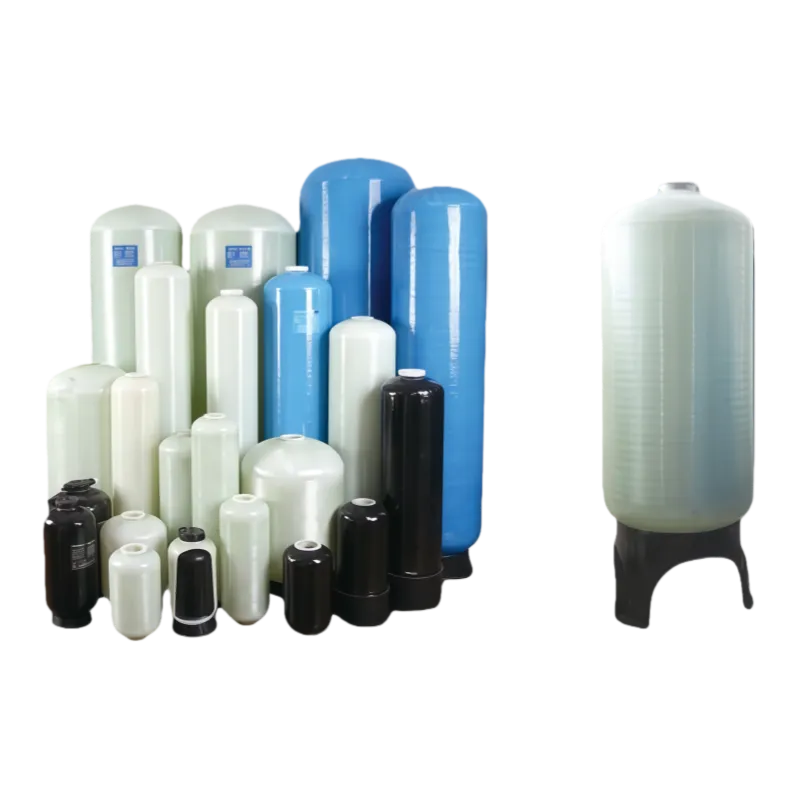
Multi-media filters, constructed from A3 steel rubber-lined or full stainless steel materials, offer strong corrosion resistance. Combined with regular air-water combined backwashing, they maintain high filtration efficiency over time, ensuring the clarity of dental water.
Activated Carbon Adsorption: Interception Net for Chemical Pollutants
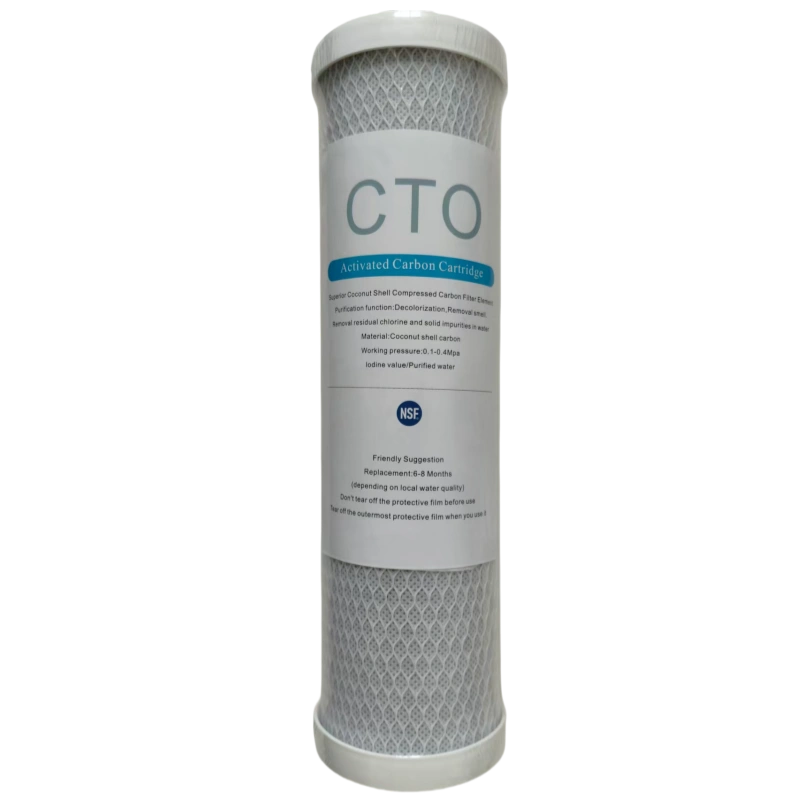
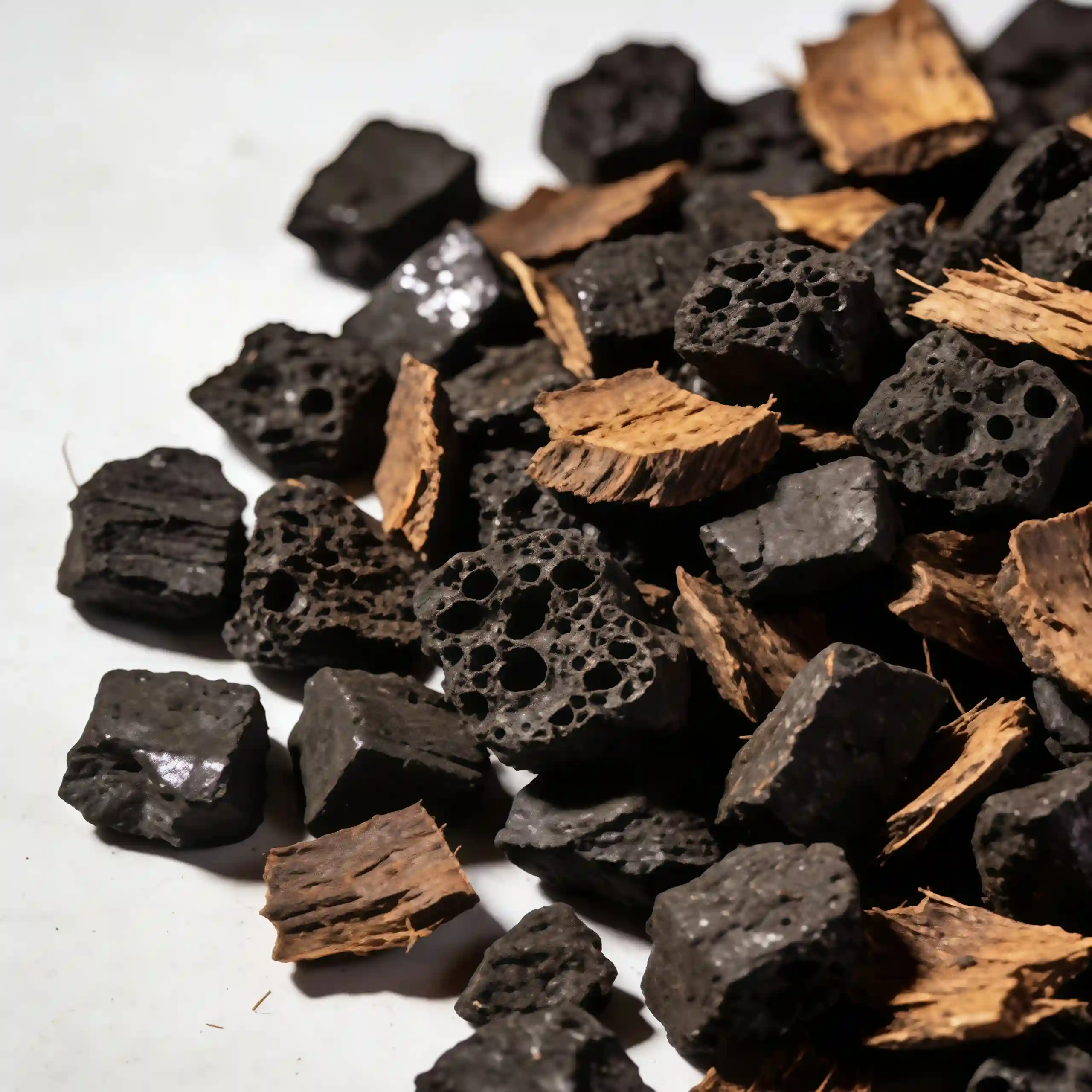
The activated carbon filter, leveraging its highly developed pore structure, is crucial for removing residual chlorine, organic compounds, and odor molecules. The sintered carbon block porosity reaches 59.2%, enhancing adsorption capacity by over 50% compared to traditional extruded carbon blocks, effectively eliminating disinfection by-products from water.
In dental practice, the adsorption of Volatile Organic Compounds (VOCs) by activated carbon is particularly important, preventing these substances from entering the respiratory tracts of practitioners and patients via aerosols generated during scaling or root canal preparation, thereby reducing health risks.
The activated carbon filter achieves over 85% removal efficiency for heavy metal ions like Ag⁺, Cd²⁺, and CrO₄²⁻ in water, further purifying the water before it reaches the RO membrane.
RO Membrane and Post-Treatment: The Ultimate Microbial Barrier
The Reverse Osmosis (RO) membrane, as the core of the purification system, effectively retains bacteria, viruses, and heavy metal ions with its 0.0001-micron pore size. Its salt rejection rate exceeds 97%, ensuring the produced water meets dental treatment water standards.
For invasive procedures like periodontal surgery and implant placement, RO product water, after UV disinfection, can serve as the base for preparing sterile saline solution, avoiding the introduction of exogenous contaminants.
The post-deionization (DI) filter, as the sixth filtration stage, further removes residual dissolved minerals through ion exchange, ensuring the effluent resistivity reaches the ultrapure water standard of 18.2 MΩ·cm, meeting the water requirements for precise operations like microscopic dentistry.
Comprehensive Assurance for Dental Clinical Applications
The multi-stage filtration system provides targeted protection for various dental treatments:
-
In restorative dentistry, the resin filter prevents scale from clogging handpiece bearings, ensuring stable rotation speed.
-
During root canal treatment, RO-filtered water is used for canal irrigation, preventing microorganisms from entering the root canal system.
-
In periodontal debridement, impurity-free pure water ensures the vibration efficiency of ultrasonic inserts, enhancing calculus removal effectiveness.
Maintenance Management and Water Quality Monitoring
Dental clinics should establish a systematic filter maintenance plan:
-
Resin Filter: Check ion exchange capacity every 2-4 months based on water hardness monitoring.
-
PP Sediment Filter: Replace when color changes from white to yellow, typically every 3-6 months.
-
RO Membrane: Replace every 24 months, regularly monitoring product water conductivity.
Before daily procedures, flush stagnant water from lines for 20-30 seconds; monitor Aerobic Heterotrophic Plate Count (HPC) weekly to ensure compliance with the ≤500 CFU/mL standard for dental unit water.
When a dentist uses a high-speed handpiece for tooth preparation on a patient, the continuously sprayed RO pure water not only cools the bur but also flushes away minute debris produced by cutting. Behind this stream of water lies the synergistic work of the resin filter and the other five filtration stages—from ion-level exchange to the complete retention of microorganisms—collectively building the safety foundation of dental care.
In modern dentistry, where infection control is increasingly vital, a complete water purification system is no longer an optional clinic feature but an essential element of medical quality.